V-Tech System (Promoitalia) — exosomal skin therapy in Baku
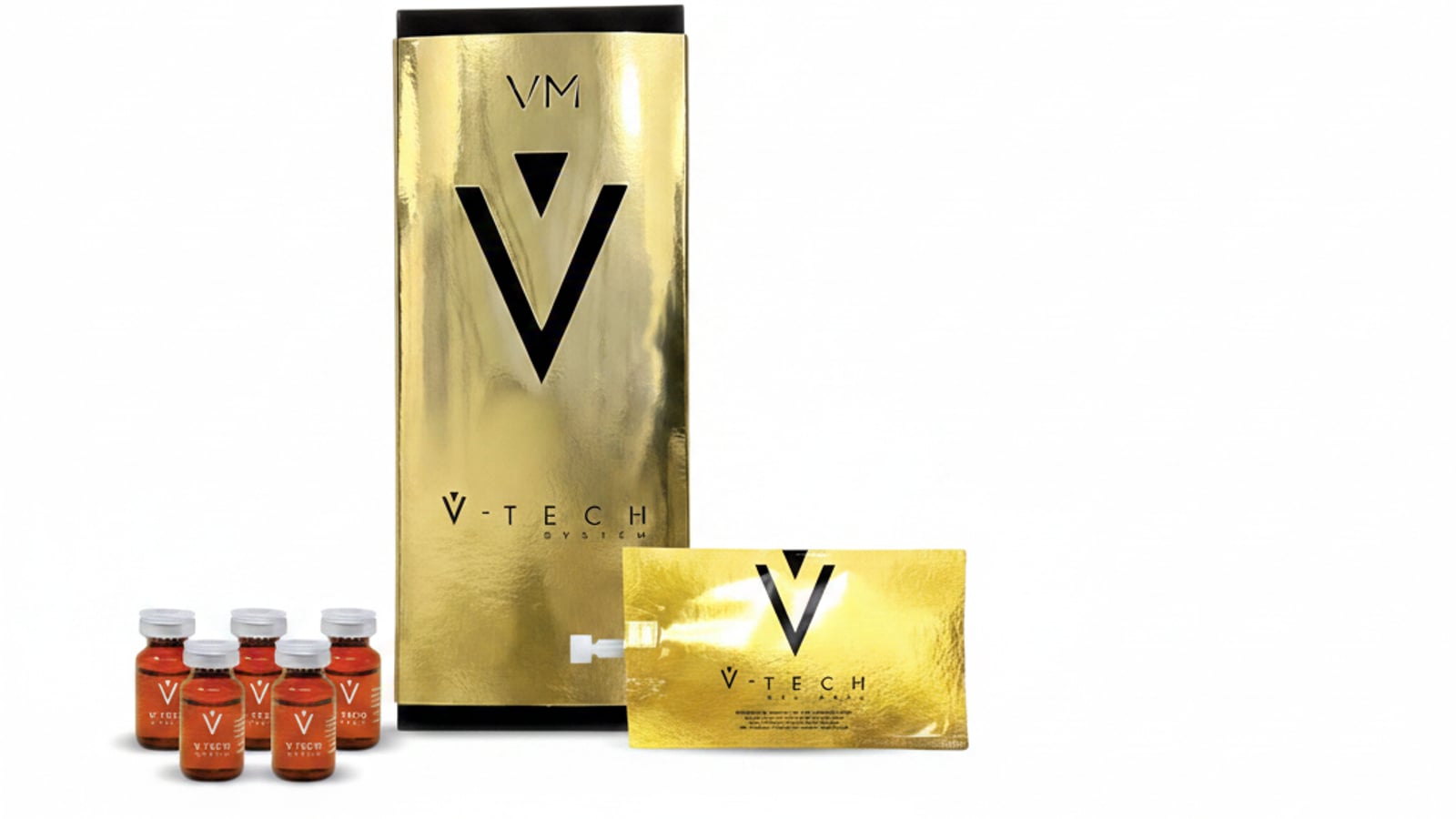
An Italian system by Promoitalia: synthetic exosomal structures, high-molecular-weight PDRN at 20 mg/ml and biomimetic peptides, plus a recovery mask applied straight after the session.
Book a Treatment
Leave your contact details, and our specialist will contact you for a consultation and booking.
- ✅ Individual program selection
- ✅ Price clarification by areas
- ✅ Answers to all medical questions
By clicking 'Send', you consent to the processing of personal data in accordance with our privacy policy.
Overview
ParamedV-Tech System is developed by the Italian company Promoitalia. It comes in two parts: a serum and a mask applied immediately after the session. The serum is built on synthetic exosomal structures, high-molecular-weight polydeoxyribonucleotide (PDRN, around 2500 kDa) at 20 mg/ml, and biomimetic peptides. The mask contains hyaluronic acid and plant stem cells for hydration and bio-restructuring, plus polysaccharide fractions that damp down the inflammatory response. It is delivered transdermally through microneedling; the working areas are face, neck, hands and feet. The standard protocol is 4 sessions at 14-day intervals.
Benefits
Paramed- ✅ Hydration and barrier repair without adding volume or heaviness
- ✅ Anti-inflammatory and antioxidant profile thanks to PDRN
- ✅ Skin density and tone over a course
- ✅ Suitable for hands and neck — areas where injections are tolerated less well
- ✅ Transdermal delivery: no injection papules and a short recovery
How it works
ParamedThe skin is cleansed and disinfected, and topical anaesthetic is applied for 20 minutes if needed. The serum is spread over the area and delivered transdermally with microneedling at a depth chosen for the zone. Immediately afterwards a mask with hyaluronic acid and plant stem cells is left on for 15–20 minutes, followed by a soothing product and SPF. A face session takes 45–60 minutes.
Technology
ParamedOne detail worth stating plainly: V-Tech uses synthetic exosomal structures, not exosomes isolated from human cells. It is a biomimetic carrier — it reproduces the principle of vesicular delivery of actives into the skin, but it is not a cell-derived product like ExoCoBio or BENEV. The main workload in the formula is carried by PDRN: high-molecular-weight polydeoxyribonucleotides at 20 mg/ml, the same class of active found in polynucleotide skin boosters, with a well-documented anti-inflammatory and regenerative profile. The biomimetic peptides add targeted signalling, and the post-procedure mask reduces skin reactivity and closes the microchannels.
- Promoitalia — Italian manufacture
- Synthetic exosomal structures (a biomimetic carrier, not a cell-derived product)
- High-molecular-weight PDRN (~2500 kDa) at 20 mg/ml
- Biomimetic peptides in the serum
- Post-procedure mask: HA + plant stem cells + polysaccharides
- Areas: face, neck, hands, feet
- Protocol: 4 sessions at 14-day intervals
Preparation & aftercare
Paramed- No active peels, scrubs or aggressive skincare for 3 days
- Avoid aspirin and ibuprofen for 5–7 days (after clearing it with your doctor)
- No alcohol for 24 hours
- Do not come with active herpes, inflammation or a cold
- No sunbathing or self-tanner before the session
- No hot water or make-up for the first 24 hours
- Sauna, steam room, pool and sport — after 3–5 days
- SPF 30+ for at least 2 weeks
- No acids or retinoids for 5–7 days
- No other injectable procedures for 7–10 days
FAQ
Paramed? How much does V-Tech System cost? ⌄
In the price list the item is marked "$$$" — we quote it at consultation: the cost depends on the area (face, face + neck, hands) and on whether the session runs on its own or together with RF microneedling. We can give you the exact figure on WhatsApp.
? Are these real exosomes? ⌄
Formally, no: the manufacturer declares synthetic exosomal structures — a biomimetic carrier that reproduces the principle of vesicular delivery. Cell-derived exosomes are ExoCoBio and BENEV, which are separate items in the price list.
? How does V-Tech differ from polynucleotides? ⌄
The actives are close: V-Tech is built on high-molecular-weight PDRN at 20 mg/ml. The difference is delivery — polynucleotides are injected, V-Tech is applied transdermally through microneedling, so there are no papules and recovery is shorter.
? How many sessions are needed? ⌄
The manufacturer's protocol is 4 sessions at 14-day intervals, followed by maintenance every 2–3 months depending on the skin.
? Can it be done on the hands and neck? ⌄
Yes — that is one of the system's strengths: the manufacturer specifically lists face, neck, hands and feet. For hands it is a convenient option, as injection protocols are harder to tolerate there.
Booking
ParamedBook a consultation — the doctor will assess your skin and tell you whether V-Tech System is right for you or another protocol makes more sense.
Book a consultation →Exosomes — ExoCoBio, BENEV, Zishel, Promoitalia
ParamedCourse plan
ParamedThe manufacturer's protocol is one session every 14 days, four in total. The first changes in hydration and glow appear within two weeks of the first session; the cumulative effect on density and tone is assessed at the end of the course. Maintenance sessions follow your doctor's advice, usually every 2–3 months. The course combines well with RF microneedling and laser protocols: exosomal and PDRN actives are traditionally applied after device-based treatment.
Comparison
ParamedCompared with ExoCoBio ASCE+ SRLV and BENEV the difference is fundamental and worth understanding before you choose: ExoCoBio and BENEV use cell-derived exosomes (including from umbilical stem cells), while V-Tech uses synthetic exosomal structures plus a high dose of PDRN. In terms of how it works, V-Tech sits closer to polynucleotide protocols (Rejuran, Plinest, Piennedi), but it is delivered transdermally through microneedling rather than by injection. If the goal is skin density and quality with minimal invasiveness, V-Tech is a sensible option; if cell-derived exosomes are specifically the priority, ExoCoBio or BENEV is the honest choice.
Contraindications
Paramed- ⚠️ Pregnancy and breastfeeding
- ⚠️ Cancer
- ⚠️ Active autoimmune disease
- ⚠️ Coagulation disorders or ongoing anticoagulant therapy
- ⚠️ Active inflammation, pustules or herpes in the treatment area
- ⚠️ Individual intolerance to any component of the product
Why Paramed
ParamedAt Paramed, V-Tech System is performed by certified specialists, and before the session the doctor explains honestly what you are getting: a biomimetic system with a high dose of PDRN, not cell-derived exosomes. If ASCE+ SRLV, BENEV or injectable polynucleotides would serve your goal better, the doctor will say so — all the options are in the price list, and the choice follows the goal rather than what happens to be in stock. Storage conditions and expiry dates are strictly observed.
Our doctors
Certified specialists at Paramed
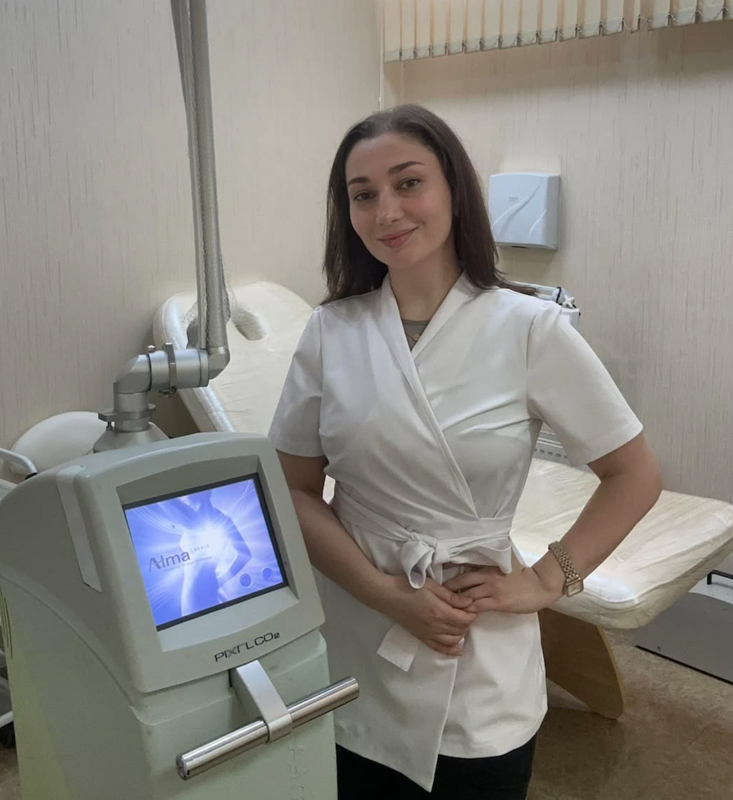
Simona Muradova
Cosmetologist (MD)
2019 · Yaroslavl Medical University · +1 cert.
Languages: Russian, Azerbaijani
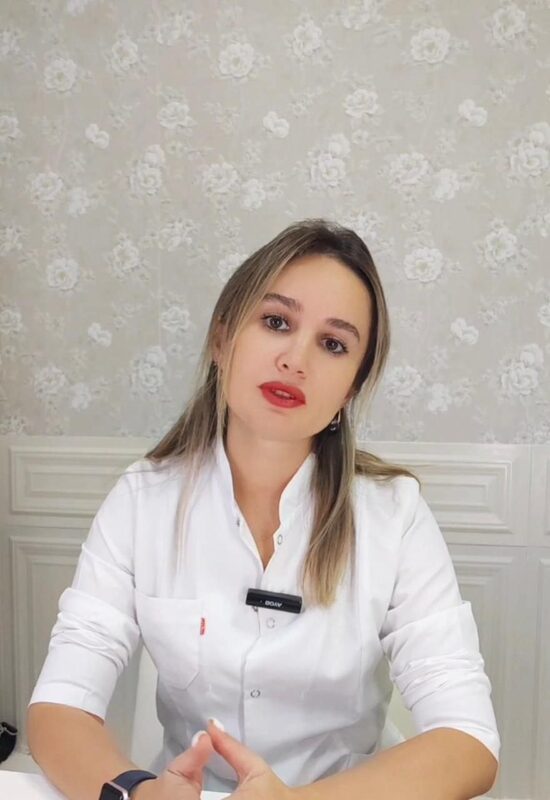
Elvira Zakiyeva
Cosmetologist (MD)
15+ years' experience
2008 · Azerbaijan Medical University · +1 cert.
Languages: Russian, Azerbaijani
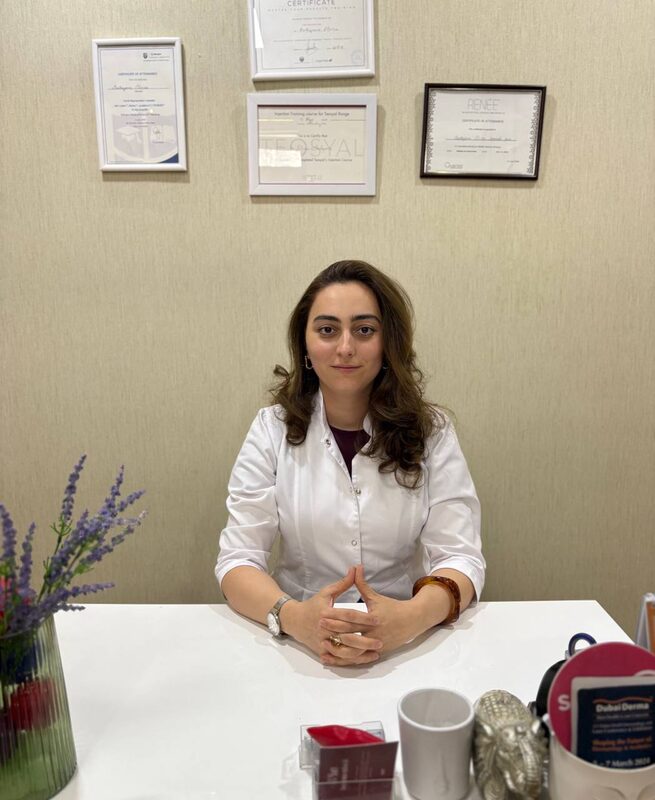
Elmira Jamalova
Cosmetologist (MD)
2009 · Tashkent Medical Academy · +2 cert.
Languages: Russian, Azerbaijani