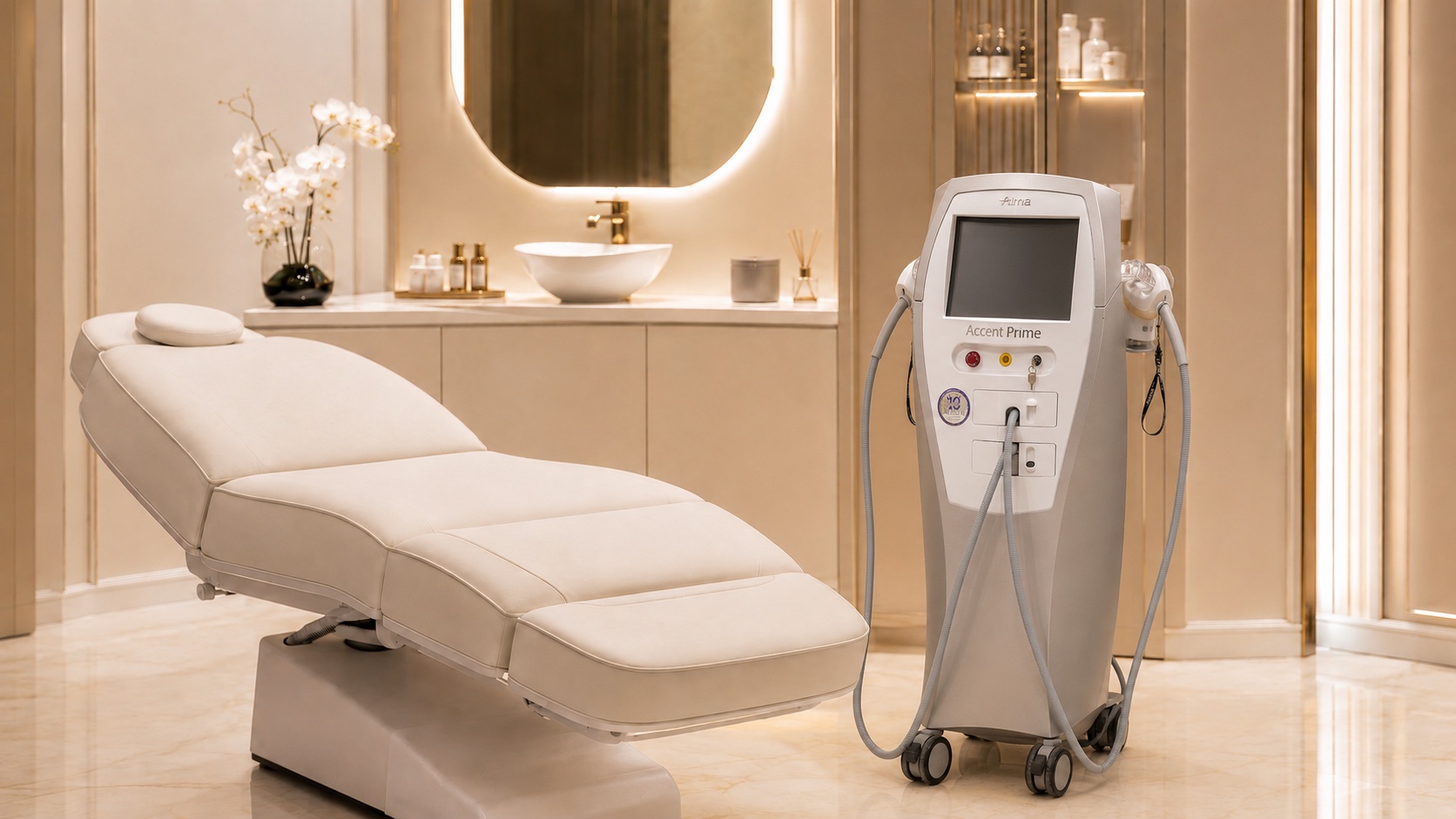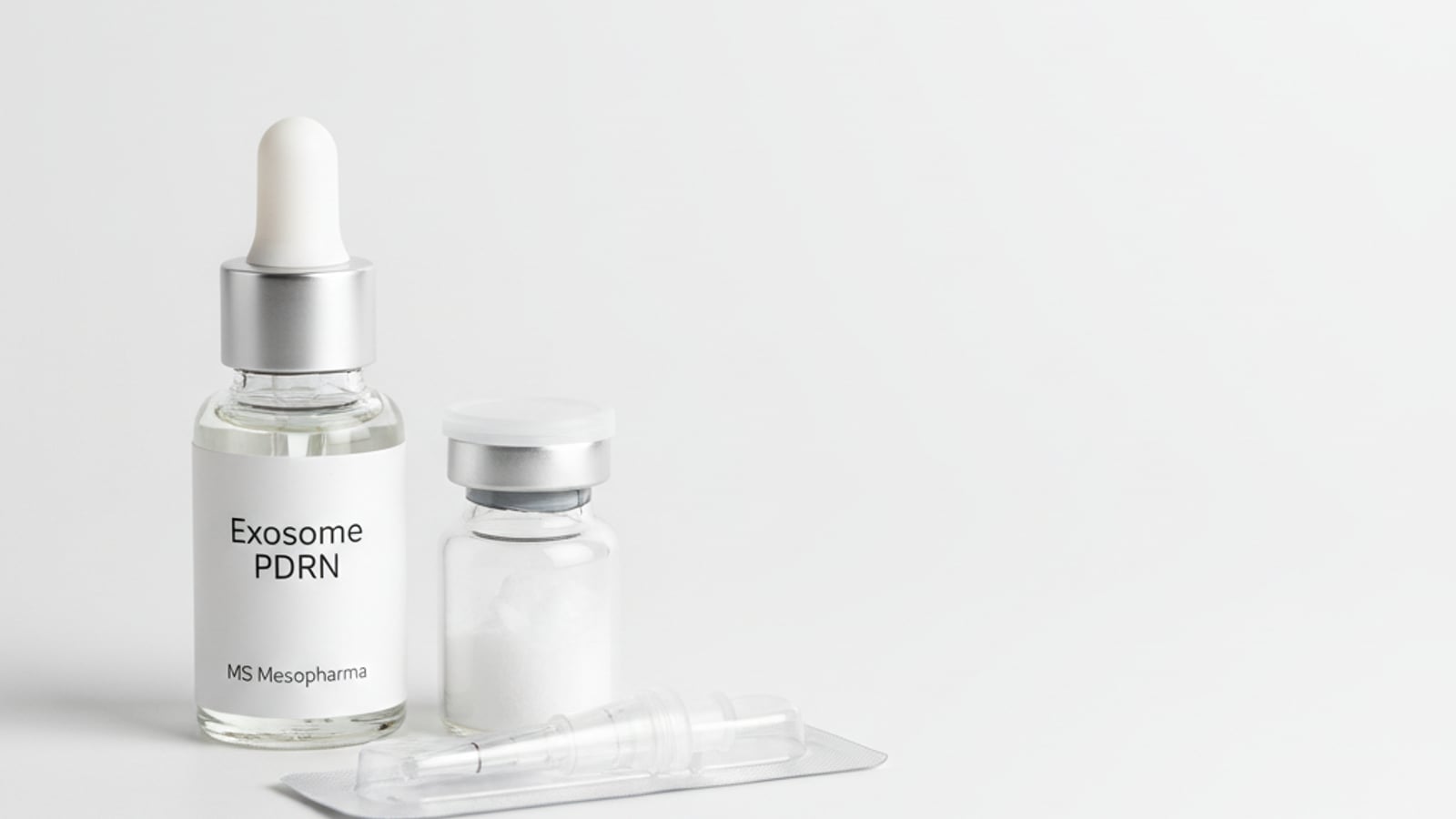
Exosome PDRN (MS Mesopharma) — exosomes with PDRN for skin recovery in Baku
An MS Mesopharma product in which exosomes work alongside PDRN. One important difference from injectable protocols: this is a topical — applied to the skin after a device procedure rather than delivered by needle.
Book a Treatment
Leave your contact details, and our specialist will contact you for a consultation and booking.
- ✅ Individual program selection
- ✅ Price clarification by areas
- ✅ Answers to all medical questions
By clicking 'Send', you consent to the processing of personal data in accordance with our privacy policy.
Overview
ParamedExosome PDRN from MS Mesopharma combines two regenerative components: exosomes as signalling carriers and polynucleotides as repair material. It comes in 10 ml vials and in a 1500 IU format. The key point we state up front: the manufacturer labels it for topical use — not for injection. That gives it a specific place in a protocol: it is applied to the skin immediately after microneedling, a laser procedure or a peel, while the barrier is temporarily permeable and the actives can do more. Contraindications apply and a specialist consultation is required.
Benefits
Paramed- ✅ Faster recovery after procedures
- ✅ Less redness and discomfort
- ✅ Hydration and a stronger barrier
- ✅ More even skin tone
- ✅ Fits well with device-based methods
- ✅ No injections required
How it works
ParamedThe primary procedure comes first — microneedling, a non-ablative laser or a peel. Immediately afterwards Exosome PDRN is applied and spread across the whole treated area. It is left to absorb, then a soothing product and SPF are applied. It adds almost no time to the session.
Technology
ParamedPairing exosomes with PDRN is logical because the two act at different stages of repair. Exosomes tell cells to switch on; polynucleotides supply building material and hold water. In a topical format everything depends on timing: straight after microneedling or a non-ablative laser the skin's permeability is at its peak, and the product works before the barrier closes. Using it as an ordinary serum at home makes little sense — the effect fundamentally depends on prepared skin. That is also why Exosome PDRN is not directly comparable with injectable polynucleotides: different delivery, different job.
- MS Mesopharma
- Exosomes paired with PDRN
- 10 ml vials and a 1500 IU format
- Topical use — not an injectable
- Applied after microneedling, laser, peels
- Recovery, hydration, even tone
Preparation & aftercare
Paramed- No aspirin or NSAIDs for 5–7 days (after agreeing it with your doctor)
- No peels or sunbathing for 3 days
- No alcohol for 24 hours
- Do not come with active inflammation, herpes or an acute infection
- Tell us about chronic conditions and allergies
- Do not touch the injection points or apply make-up for the first 24 hours
- Sauna, pool and sport after 3–5 days
- SPF 30+ for at least two weeks
- Other injectable procedures after 7–10 days
- Drink enough water
FAQ
Paramed? Is this an injection? ⌄
No. The manufacturer states it directly: topical use, not for injection. The product is applied to the skin after a device procedure.
? Then how does it get into the skin? ⌄
Through the microchannels microneedling creates, or through the temporarily raised permeability after a laser or peel. That is why timing matters.
? Can I use it at home? ⌄
There is little point: without prepared skin, penetration is minimal. This is a product for the procedure, not for home care.
? Is it better than injectable exosomes? ⌄
Neither better nor worse — a different format. Less delivery depth, but no injections and easier tolerance.
? How many sessions are needed? ⌄
Usually 3–4 alongside the primary method, at 2–4 week intervals.
Booking
ParamedBook a consultation — we'll plan the recovery protocol and explain where a topical fits better than injections.
Book a consultation →Exosomes — ExoCoBio, BENEV, Zishel, Promoitalia
ParamedCourse plan
ParamedThe product is not used as a course in its own right but as part of a protocol: it is applied at each microneedling or laser session. A typical plan is 3–4 sessions at 2–4 week intervals, depending on the primary method. The recovery effect shows in the first days after a session; the cumulative gain in tone and skin quality arrives by the end of the course.
Comparison
ParamedAgainst injectable exosomes (ExoCoBio ASCE+, BENEV) and polynucleotides (Rejuran, POLY-N Strong), Exosome PDRN delivers less deeply — that is the price of avoiding injections. In exchange it needs no needle and slots neatly into a recovery protocol. We say it plainly: if the goal is working on skin density and marked age-related change, an injectable is more effective. If the goal is fast, comfortable recovery after a device procedure, the topical format is the better and cheaper fit.
Contraindications
Paramed- ⚠️ Pregnancy and breastfeeding
- ⚠️ Allergy to fish and seafood or to the product's components
- ⚠️ Active-phase autoimmune disease
- ⚠️ Oncological disease
- ⚠️ Blood clotting disorders
- ⚠️ Active inflammation or herpes in the treatment area
Why Paramed
ParamedAt Paramed we do not sell "exosomes" as an abstraction: at the consultation the doctor explains the difference between injectable and topical formats and what each will do in your case. Exosome PDRN is prescribed as part of a recovery protocol, not as a replacement for injectables. The price is quoted at the consultation — it depends on the primary procedure it accompanies.
Our doctors
Certified specialists at Paramed
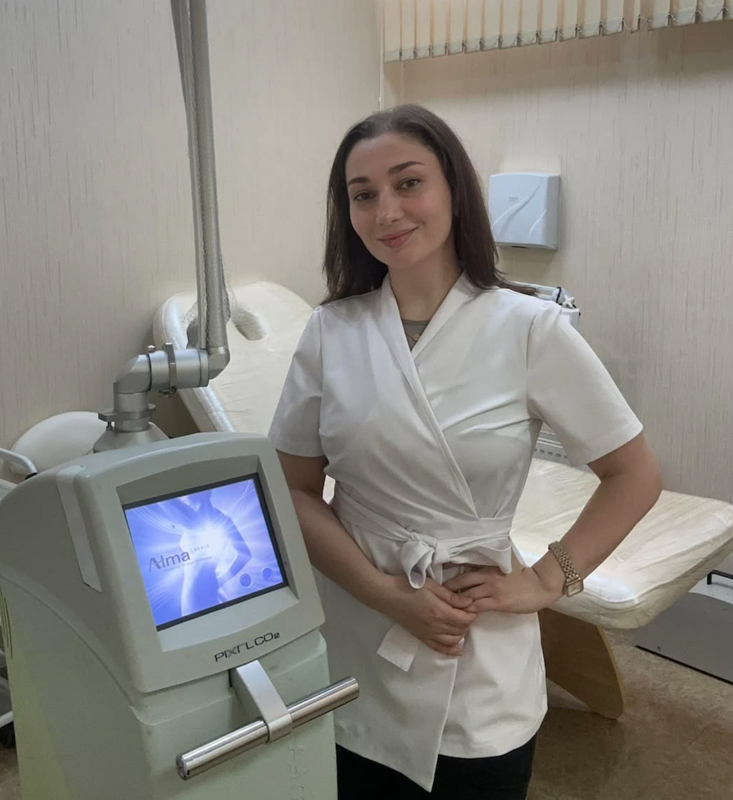
Simona Muradova
Cosmetologist (MD)
2019 · Yaroslavl Medical University · +1 cert.
Languages: Russian, Azerbaijani

Elvira Zakiyeva
Cosmetologist (MD)
15+ years' experience
2008 · Azerbaijan Medical University · +1 cert.
Languages: Russian, Azerbaijani
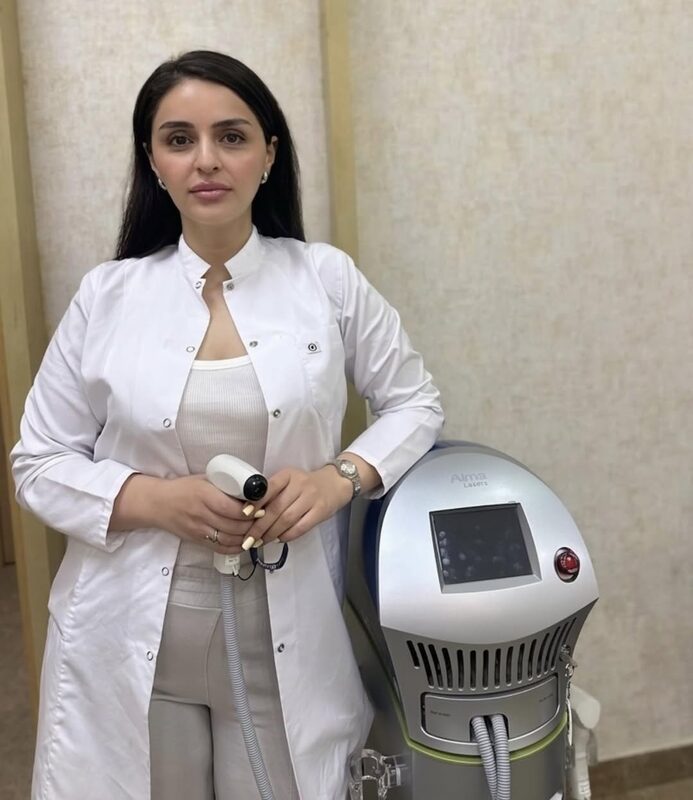
Aybeniz Mamedli
Dermatologist (MD)
2017 · Donetsk National Medical University · +1 cert.
Languages: Russian, Azerbaijani