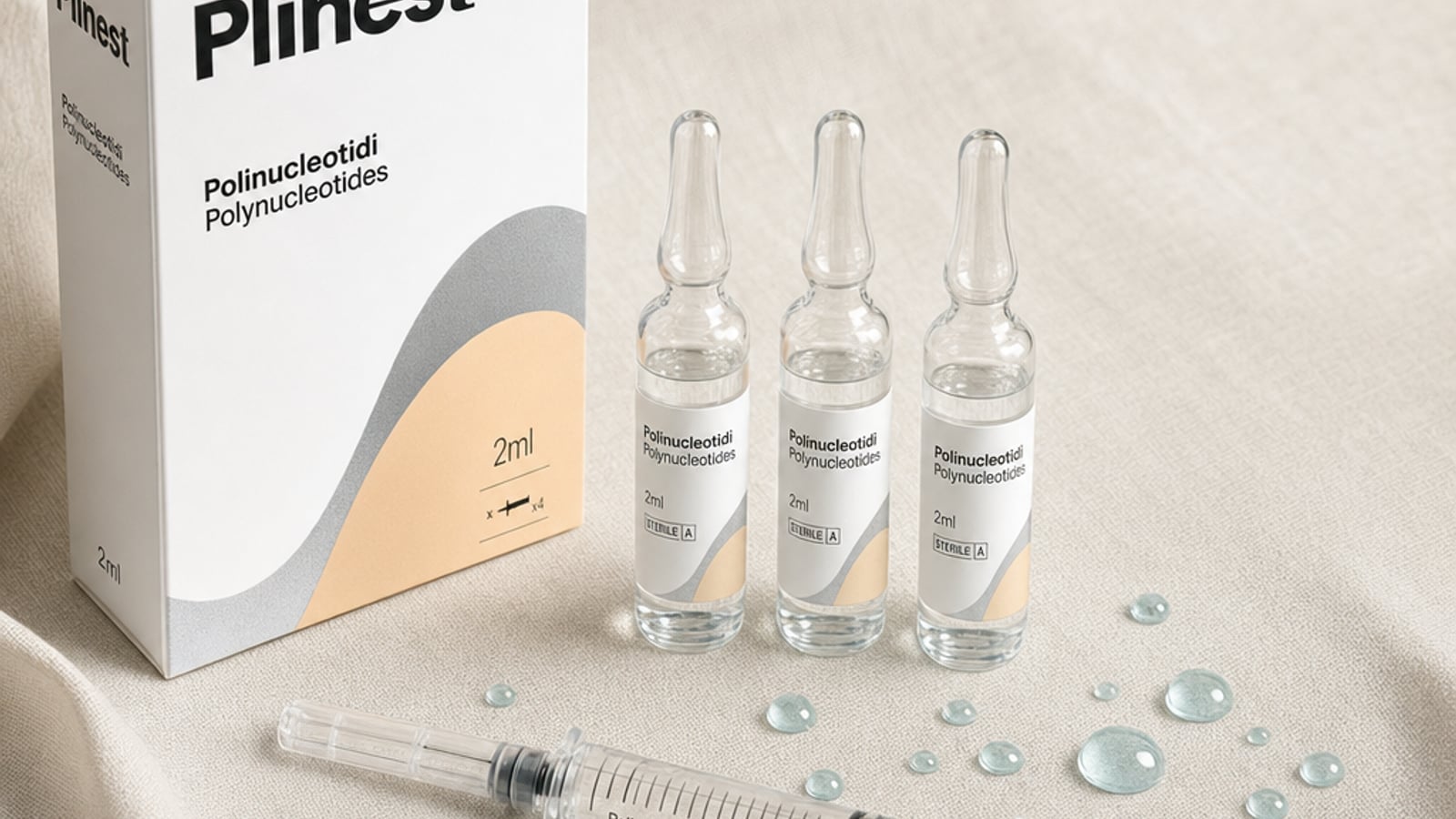
Polynucleotides vs exosomes — what to choose in Baku
The two most discussed regenerative procedures of 2025–2026. Polynucleotides (PDRN) — DNA fragments from salmon, activate your own fibroblasts through A2A receptors. Exosomes — nanovesicles from stem cells with ready-made growth factors and microRNA. Different molecules, different mechanisms — and they are often combined rather than opposed.
Book a Treatment
Leave your contact details, and our specialist will contact you for a consultation and booking.
- ✅ Individual program selection
- ✅ Price clarification by areas
- ✅ Answers to all medical questions
By clicking 'Send', you consent to the processing of personal data in accordance with our privacy policy.
A brief comparison
ParamedPolynucleotides and exosomes are both procedures related to regenerative medicine, but they are different molecules with fundamentally different mechanisms. Polynucleotides (PDRN — polydeoxyribonucleotide; synonym: PRDN) are purified DNA fragments from salmon or trout. They bind to A2A adenosine receptors on your fibroblasts and activate their own collagen synthesis. Exosomes are nanovesicles 30–150 nm, derived from adipose-derived stem cells (ADSC) or umbilical stem cells. They carry ready-made growth factors (TGF-β, VEGF, EGF, FGF), cytokines, and microRNA — and “reprogram” skin cells. These procedures are often prescribed sequentially or combined: PDRN for the structure and density of the dermis, exosomes for regeneration and anti-inflammatory effects (especially after laser treatments). There are contraindications; consultation is required.
When to choose what
ParamedIf the main concern is thin skin under the eyes, dark circles from vessels, atrophy after prolonged photoaging, or you want to specifically 'improve skin quality' — start with PDRN (PhilArt EYE / Plinest / Newest). If the skin is fine in density but there was aggressive laser treatment, there is post-acne with inflammation, or you want a quick 'wow' effect in radiance — choose exosomes (ExoCoBio ASCE+ or Benev). For complex requests — for example, overall facial rejuvenation with couperose — the doctor often combines: the first 2 sessions of PDRN for structure, then 2 sessions of exosomes after microneedling. Also, exosomes are the gold standard immediately after CO2 laser or PiCO/Megapixel.
Different molecules, different mechanisms
ParamedPolynucleotides are long chains of nucleotides 50–1500 kDa from trout/salmon DNA. After injection into the dermis, they break down into short fragments and bind to A2A receptors on fibroblasts and keratinocytes. This activates the synthesis of collagen types I and III, fibroblast migration, and angiogenesis — the growth of new capillaries. The effect is cumulative: visible density and skin quality increase 2–3 months after the course. Exosomes are nanovesicles from stem cells, packed with signaling molecules. They penetrate skin cells and deliver ready-made growth factors and microRNA, activating Wnt/β-catenin pathways and suppressing inflammation. The effect is more “instantaneous” in terms of radiance and regeneration, especially after aggressive procedures.
- PDRN: DNA fragments → activate your fibroblasts through A2A
- Exosomes: nanovesicles from stem cells → carry growth factors
- PDRN: structural effect, cumulative (2–3 months)
- Exosomes: regenerative effect, visible sooner (1–4 weeks)
- PDRN is better for thin skin under the eyes, atrophy
- Exosomes are better after laser treatments and in cases of significant inflammation
FAQ
Paramed? Which is better — polynucleotides or exosomes? ⌄
These are different procedures for different tasks. PDRN is better for skin density and structure, especially under the eyes and in cases of atrophy. Exosomes are better for regeneration after laser treatments and in cases with inflammatory components (post-acne, rosacea). Often, the doctor prescribes both in one program.
? Can PDRN and exosomes be done in one course? ⌄
Yes, this is a common combination. Usually, 2 sessions of PDRN with an interval of 2–3 weeks for structure, followed by 2 sessions of exosomes after microneedling for regeneration. The exact order and intervals are determined by the doctor.
? Which lasts longer? ⌄
The effect of PDRN on skin density and quality lasts 6–9 months. Exosomes last 3–6 months. Both require maintenance sessions.
? Which is cheaper? ⌄
Basic PDRN protocols (Pluryal Silk) start from 320 AZN. Basic exosomes start from 350 AZN. Premium options for PDRN (Newest) and exosomes (ExoCoBio ASCE+ SRLV) range from 420 to 550 AZN.
? Are there common contraindications? ⌄
Pregnancy, lactation, oncology, autoimmune diseases in active phase, blood clotting disorders, skin infections. For PDRN, additionally — severe allergy to fish/seafood.
Booking
ParamedSchedule a consultation at Paramed — the doctor will assess your skin condition and select a protocol: polynucleotides, exosomes, or their combination in one program.
PDRN and exosomes — pros and cons
Paramed- Rebuild the structure of the dermis — density, elasticity
- Work effectively on thin skin under the eyes (PhilArt EYE)
- Stimulate your own fibroblasts
- Cumulative effect — increases over 2–3 months
- Compatible with fillers and Botox in one program
- Price is lower than premium exosomes
- The effect is not 'instant' — takes 2–3 months
- Less effective after laser treatments compared to exosomes
- Contraindicated in severe allergies to fish/seafood
- Not suitable for acute inflammation and regeneration
- Ready-made growth factors — rapid regenerative effect
- Ideal immediately after laser/microneedling
- Strong anti-inflammatory profile (especially Exomage)
- Radiance and tone improvement visible within 1–2 weeks
- Standardized dosage
- More expensive than PDRN with comparable protocols
- Less effective specifically for density and quality of structure
- Effect is less long-lasting without support
- For deep regeneration — better in conjunction with microneedling/laser
Polynucleotides (PDRN / PRDN)
ParamedOur doctors
Certified specialists at Paramed
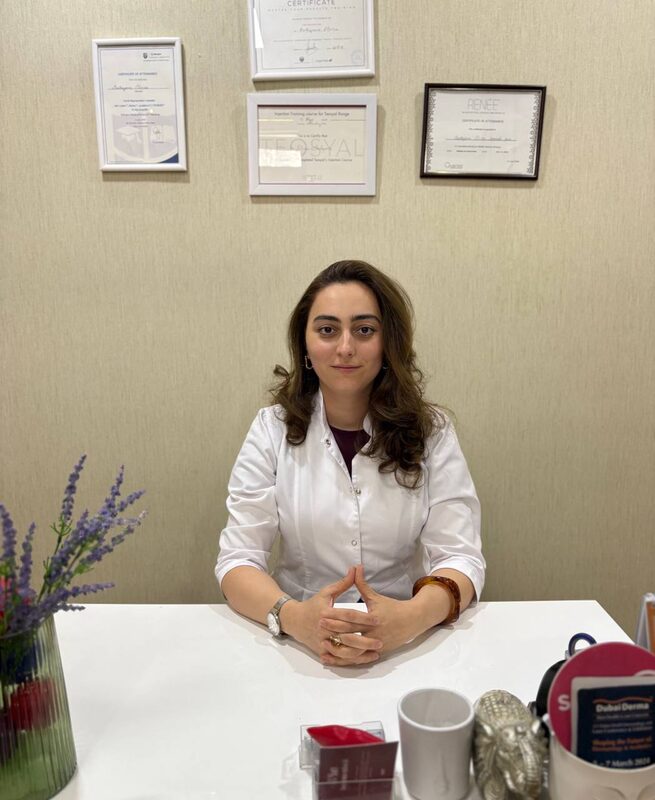
Elmira Jamalova
Cosmetologist (MD)
2009 · Tashkent Medical Academy · +2 cert.
Languages: Russian, Azerbaijani
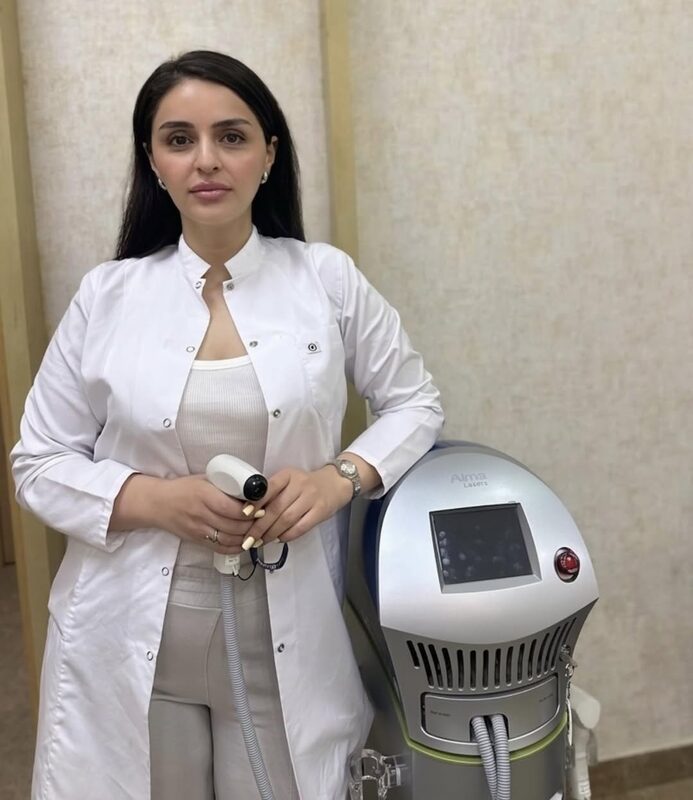
Aybeniz Mamedli
Dermatologist (MD)
2017 · Donetsk National Medical University · +1 cert.
Languages: Russian, Azerbaijani
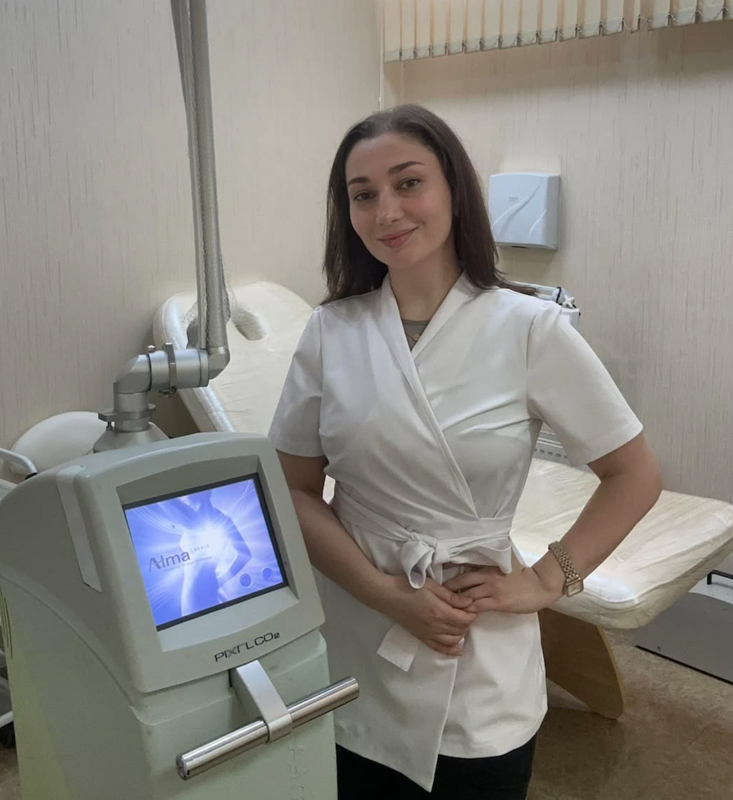
Simona Muradova
Cosmetologist (MD)
2019 · Yaroslavl Medical University · +1 cert.
Languages: Russian, Azerbaijani