Exosomes vs Facial Mesotherapy — What to Choose in Baku
Mesotherapy is a 'cocktail' of vitamins, amino acids, peptides, and hyaluronic acid for skin nourishment. Exosomes are nanovesicles from stem cells carrying regeneration signals. Different technologies, different tasks, and fundamentally different costs.
Book a Treatment
Leave your contact details, and our specialist will contact you for a consultation and booking.
- ✅ Individual program selection
- ✅ Price clarification by areas
- ✅ Answers to all medical questions
By clicking 'Send', you consent to the processing of personal data in accordance with our privacy policy.
Brief Comparison
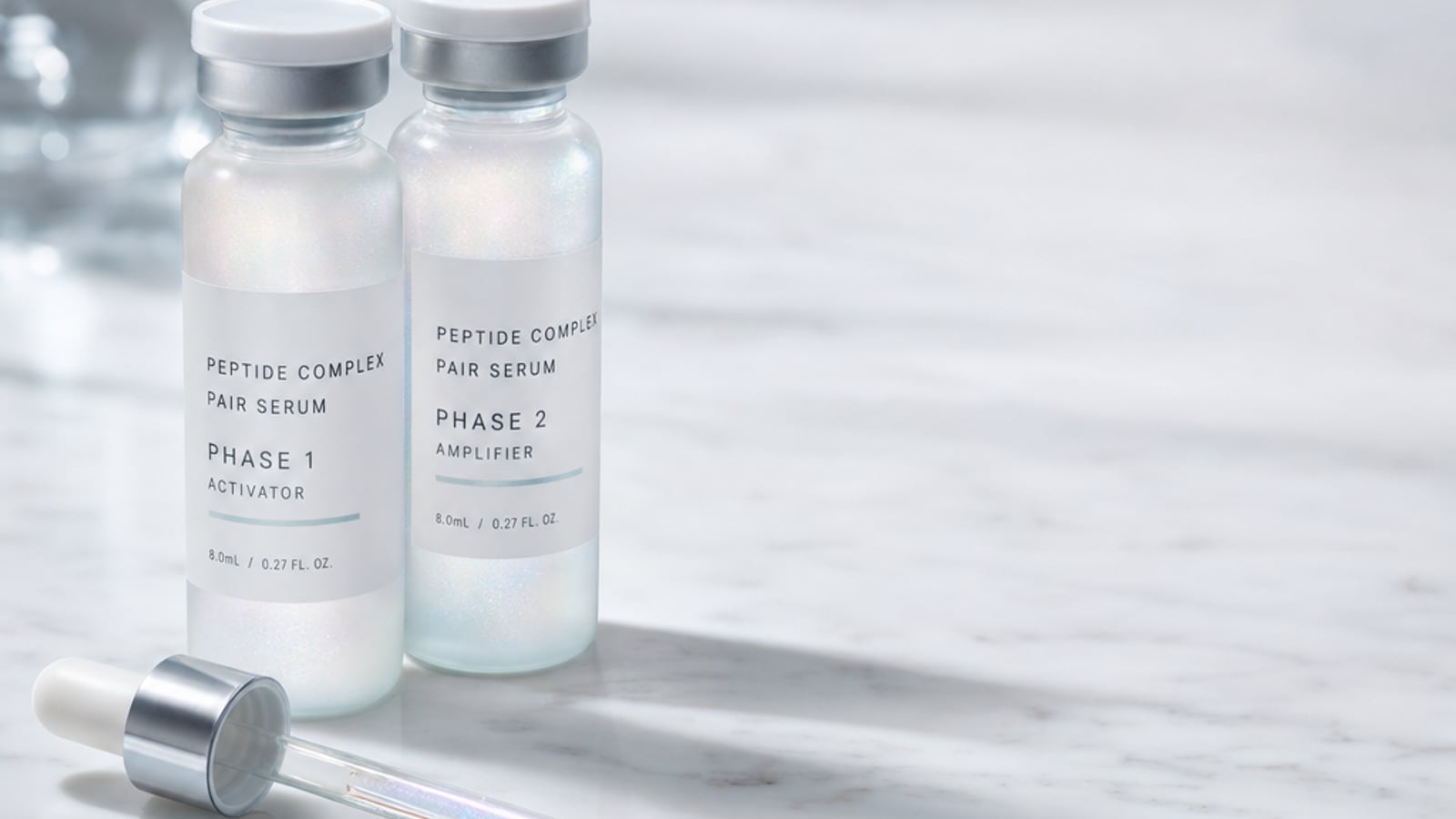
ParamedMesotherapy is a classic injection procedure where a 'cocktail' of vitamins (B-complex, C, K), amino acids, peptides, minerals, and often hyaluronic acid is injected into the dermis. The preparations are tailored to specific tasks: anti-aging cocktail, brightening, moisturizing. The effect is skin nourishment, improved tone and texture, and gentle stimulation of fibroblasts. Exosomes are injections of nanovesicles from stem cells that carry ready-made growth factors, cytokines, and microRNA. They do not nourish the skin with substances but 'reprogram' its cells for regeneration. Mesotherapy is cheaper and suitable as regular seasonal support. Exosomes are more expensive but provide a more powerful regenerative effect. These procedures are often combined. There are contraindications.
When to Choose What
ParamedMesotherapy is the first-line choice for regular care: seasonal courses in autumn/spring, supportive sessions before events, for tired and dull skin. The affordable price allows for regular treatments. Exosomes are the choice for pronounced tasks: recovery after laser procedures, post-acne with inflammation, rosacea (especially Exomage), overall skin renewal once every six months to a year. They are often combined in an annual plan: an exosome course once a year + supportive mesotherapy four times a year.
Vitamin-Amino Acid Cocktail vs Signaling Nanovesicles
ParamedFacial mesotherapy uses multi-component cocktails: hyaluronic acid with peptides and vitamins (Aquashine, Jalupro, Restylane Vital), antioxidant complexes, amino acid mixtures. They are injected into the dermis using papule or nappage techniques and nourish the skin with necessary 'building blocks'. The effect is improved tone, color, and turgor, with gentle stimulation of fibroblasts through the peptides present in the cocktail. Exosomes are extracellular vesicles 30–150 nm from adipose tissue stem cells (ASCE+ SRLV) or umbilical stem cells (BENEV). They penetrate skin cells and deliver growth factors (TGF-β, VEGF, EGF, FGF) and microRNA, activating collagen synthesis pathways and suppressing inflammation. This is no longer 'nourishment' but signaling regeneration.
- Mesotherapy: cocktail of vitamins, amino acids, peptides, HA
- Exosomes: nanovesicles with growth factors and microRNA
- Mesotherapy: nourishes and hydrates
- Exosomes: activate regeneration at the signaling level
- Mesotherapy: effect lasts 2–3 weeks, regular support
- Exosomes: effect lasts 3–6 months
FAQ
Paramed? What to choose for the first time? ⌄
If you have never had injection procedures and want to try — mesotherapy. Affordable price, instant effect on radiance, minimal downtime. Exosomes are the next level when a more powerful regenerative effect or recovery after laser/peeling is needed.
? Can they be combined? ⌄
Yes, in one protocol or separate courses. Often in an annual plan: 1 course of exosomes (3–4 sessions) + supportive mesotherapy once a month or once a season.
? What is better after laser? ⌄
Definitely exosomes. They are used immediately after fractional laser, CO2, or PiCO — they reduce the period of redness and swelling by 1.5–2 times due to their powerful anti-inflammatory action. Mesotherapy after aggressive laser is weaker.
? What lasts longer? ⌄
Exosomes — 3–6 months after the course. Mesotherapy — 2–4 weeks without support. Therefore, exosomes are done in a course 1–2 times a year, mesotherapy — regularly.
? What is better for dull skin? ⌄
If the main request is to 'revive' dull complexion in a single session, mesotherapy will provide a quick visible effect. If you want something deeper and longer-lasting — exosomes, especially in conjunction with microneedling.
Booking
ParamedSchedule a consultation at Paramed — the doctor will assess the skin condition and select a program: mesotherapy for regular support, exosomes for regeneration, or their combination.
Exosomes and Mesotherapy — Pros and Cons
Paramed- Affordable price — 50–220 AZN per session
- Suitable as regular seasonal support
- A huge selection of cocktails for different tasks
- Good effect on dull and dehydrated skin
- Minimal downtime — can be done 'right before an event'
- Short-term effect — regular sessions are needed
- Does not work on dermal structure like PDRN or exosomes
- Weak effect with pronounced atrophy
- Does not help with post-acne with an inflammatory component
- Powerful regenerative effect
- Strong anti-inflammatory action (especially Exomage)
- Ideal after laser and microneedling
- Visible improvement in tone and radiance — 1–2 weeks
- Effect lasts 3–6 months after the course
- Higher price — 350–550 AZN per session
- Do not replace classic hydration
- For maximum effect — better in conjunction with microneedling/laser
Exosomes — ExoCoBio, BENEV, Zishel, Promoitalia
ParamedOur doctors
Certified specialists at Paramed
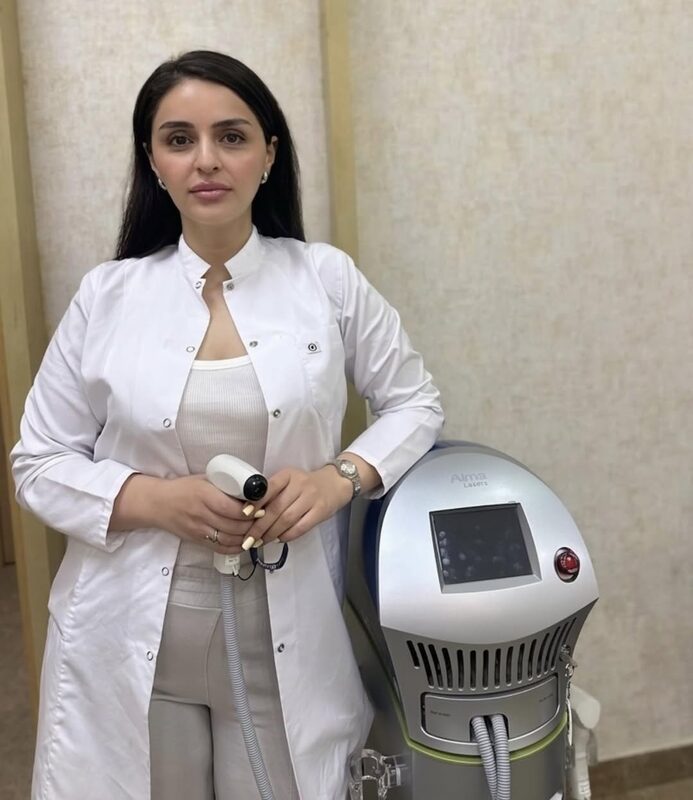
Aybeniz Mamedli
Dermatologist (MD)
2017 · Donetsk National Medical University · +1 cert.
Languages: Russian, Azerbaijani
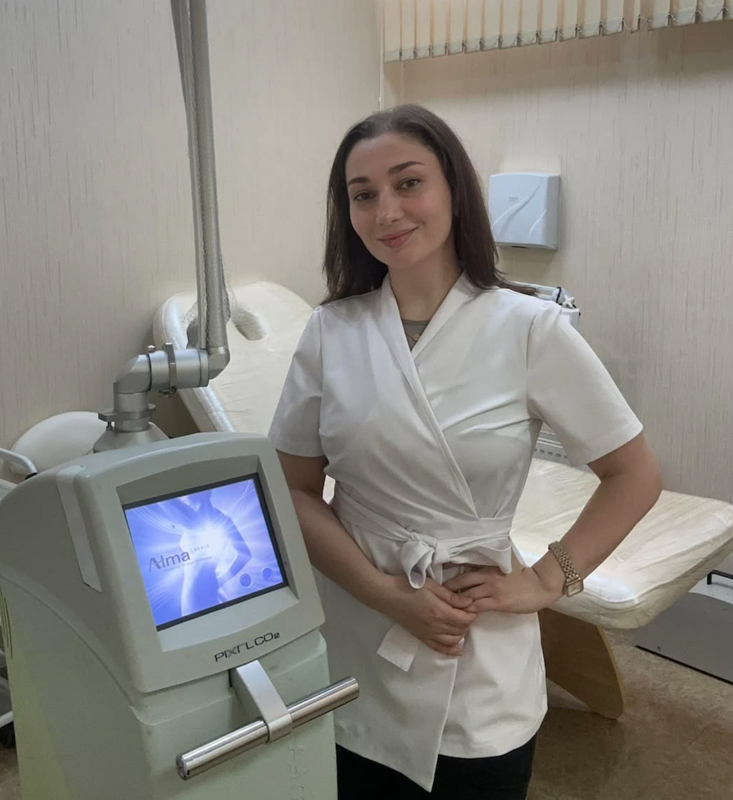
Simona Muradova
Cosmetologist (MD)
2019 · Yaroslavl Medical University · +1 cert.
Languages: Russian, Azerbaijani
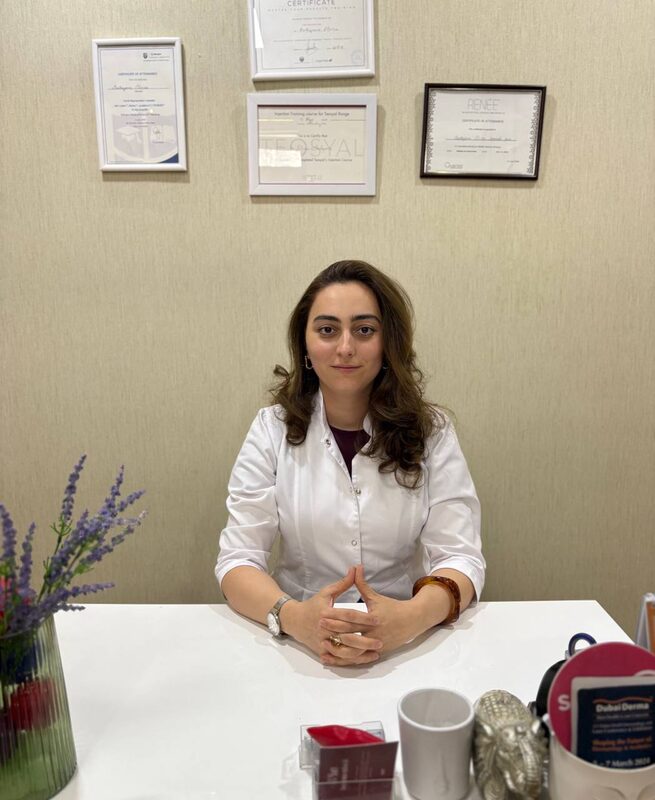
Elmira Jamalova
Cosmetologist (MD)
2009 · Tashkent Medical Academy · +2 cert.
Languages: Russian, Azerbaijani