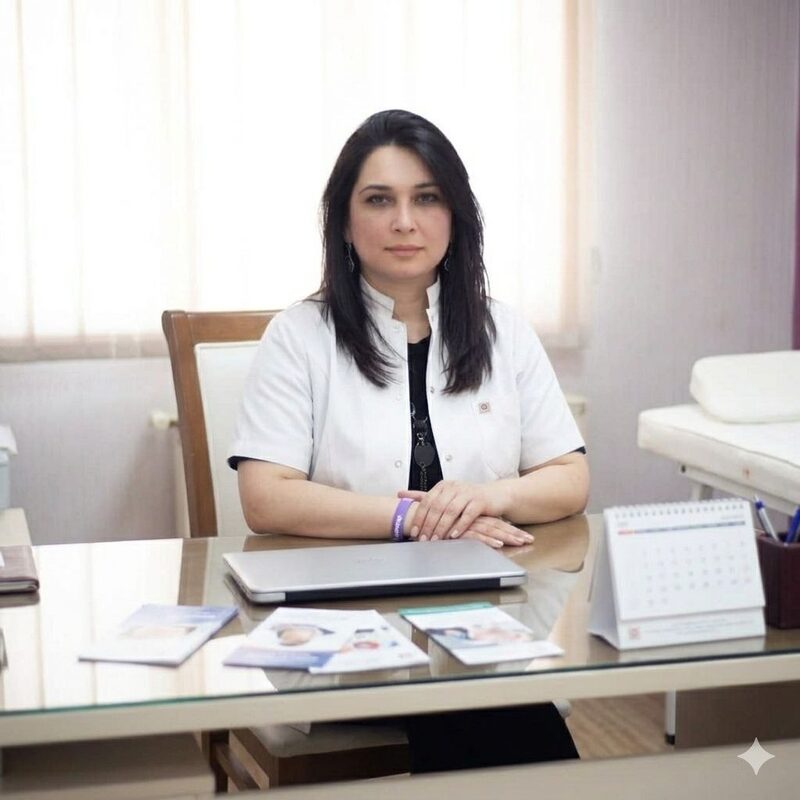
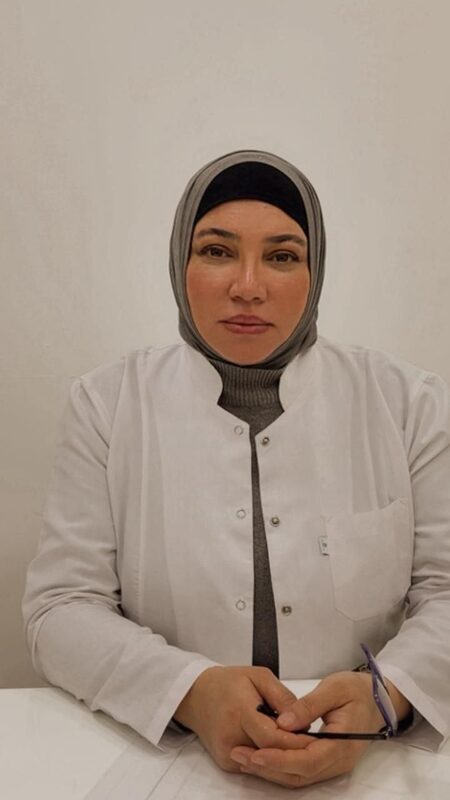
Afa Mammadova
Cosmetologist (MD)
27+ years' experience
1997 · Azerbaijan Medical University · +1 cert.
Languages: Russian, Azerbaijani
Leave your contact details, and our specialist will contact you for a consultation and booking.
By clicking 'Send', you consent to the processing of personal data in accordance with our privacy policy.
The use of exosomes immediately after fractional or CO2 laser treatments is one of the most scientifically grounded and clinically validated protocols in modern aesthetics. Laser procedures (Pixel CO2, Clearlift, Erbium, Megapixel) create controlled micro-injuries to the skin; exosomes applied to this 'open' barrier deliver signaling molecules directly into the dermis. The result: a reduction in redness and swelling by half, more even healing, a lower risk of post-inflammatory hyperpigmentation (PIH), and a more pronounced final rejuvenation effect. At Paramed, exosomes are used as a standard 'finish' after fractional lasers — based on indications and agreement with the doctor.
Immediately after the laser procedure (Pixel CO2, Clearlift, Erbium, etc.), the skin is cleansed of any remaining cooling gel. The lyophilized exosome kit is diluted with saline and applied topically — in broad strokes across the entire treated surface. The laser microchannels ensure deep penetration without additional injections. After 10–15 minutes of absorption, a protective cream and SPF are applied. At home, the patient uses a gentle restorative product as prescribed by the doctor. If desired, additional exosome sessions can be repeated every 2–4 weeks to enhance the effect.
The laser fractional procedure initiates a cascade of inflammation and healing: the first 24–72 hours is the acute inflammatory phase (TNF-α, IL-6), followed by the proliferation phase (fibroblasts, new collagen) and remodeling. Exosomes directly modulate this sequence: their microRNA and anti-inflammatory cytokines (IL-10) suppress excessive inflammation, while growth factors (TGF-β, EGF, FGF) accelerate keratinocyte migration (closure of microchannels) and stimulate collagen production. Of particular clinical interest is the reduction of PIH in darker skin types, for which laser treatment is often contraindicated due to this risk.
Most effectively — after fractional ablative (Pixel CO2, Erbium) and non-ablative (Clearlift, ClearSkin) lasers. Also applicable after Q-switched for tattoo/pigment protocols and RF microneedling (Megapixel).
An option. Laser recovery is possible without exosomes, but with exosomes, the period of redness and peeling is shorter, and the final result is more noticeable. Especially recommended for darker skin types and patients with tight recovery schedules.
Typically — once immediately after the procedure. Based on indications and patient preference — an additional 1–2 applications every 2–4 weeks after the laser to enhance collagenesis.
Yes, and it is particularly valuable for skin types IV–VI: they reduce the risk of post-inflammatory hyperpigmentation, which is the main limiting factor for aggressive lasers on dark skin.
Redness and swelling decrease by 30–50% faster within the first 3–5 days. The final result of the laser (skin density, texture, post-acne) is visible after 4–8 weeks.
Microneedling + exosomes — yes, this is a common protocol. Full laser + microneedling on the same day is usually not combined, but exosomes as a finish — yes.
Planning a laser procedure at Paramed? During the consultation, we will discuss whether exosomes are needed in your protocol — especially if you have a dark skin type, a tendency to pigmentation, or tight recovery timelines.
The exosome course for the face typically includes one main procedure immediately after laser treatment, with the possibility of repetition every 2–4 weeks to enhance the effect. The specific number of sessions and intervals are determined by the doctor based on individual indications and skin condition.
Exosomes for the face after laser procedures are an effective complement to skin recovery. Unlike traditional methods, such as using only moisturizers or peels, exosomes provide deeper penetration of active substances and accelerate healing processes. They help reduce recovery time and minimize the risk of post-inflammatory hyperpigmentation, which is especially important for patients with darker skin types.
At Paramed clinic in Baku, we use only verified and certified exosomes, such as ExoCoBio and BENEV. Our team consists of experienced specialists who will help you choose the optimal recovery protocol after laser procedures. We guarantee an individual approach and high-quality service at every stage of treatment.
Certified specialists at Paramed
Cosmetologist (MD)
27+ years' experience
1997 · Azerbaijan Medical University · +1 cert.
Languages: Russian, Azerbaijani
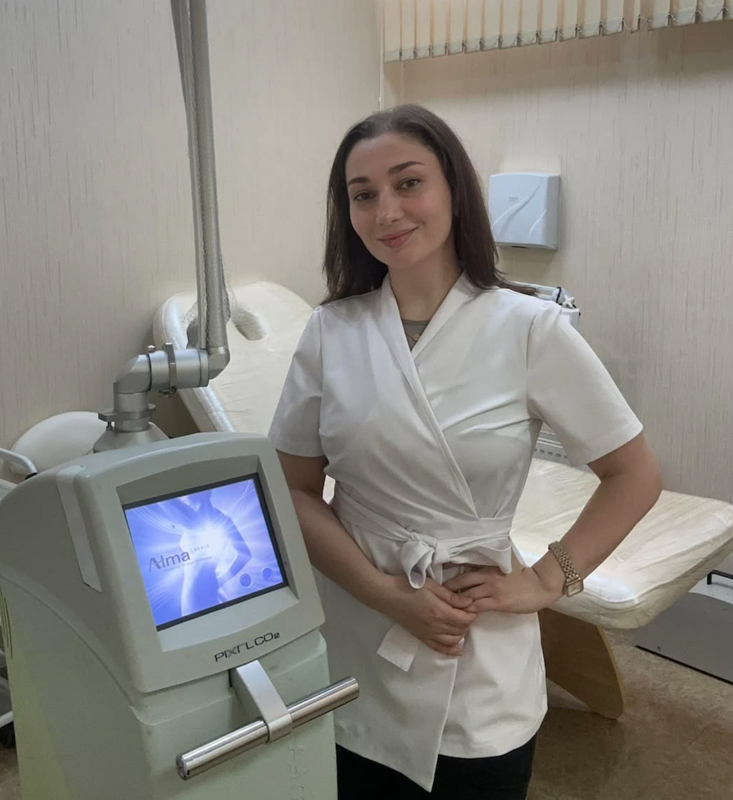
Cosmetologist (MD)
2019 · Yaroslavl Medical University · +1 cert.
Languages: Russian, Azerbaijani
Cosmetologist (MD)
25+ years' experience
1999 · Azerbaijan Medical University · +1 cert.
Languages: Russian, Azerbaijani