PDRN vs PRP for hair — what to choose in Baku
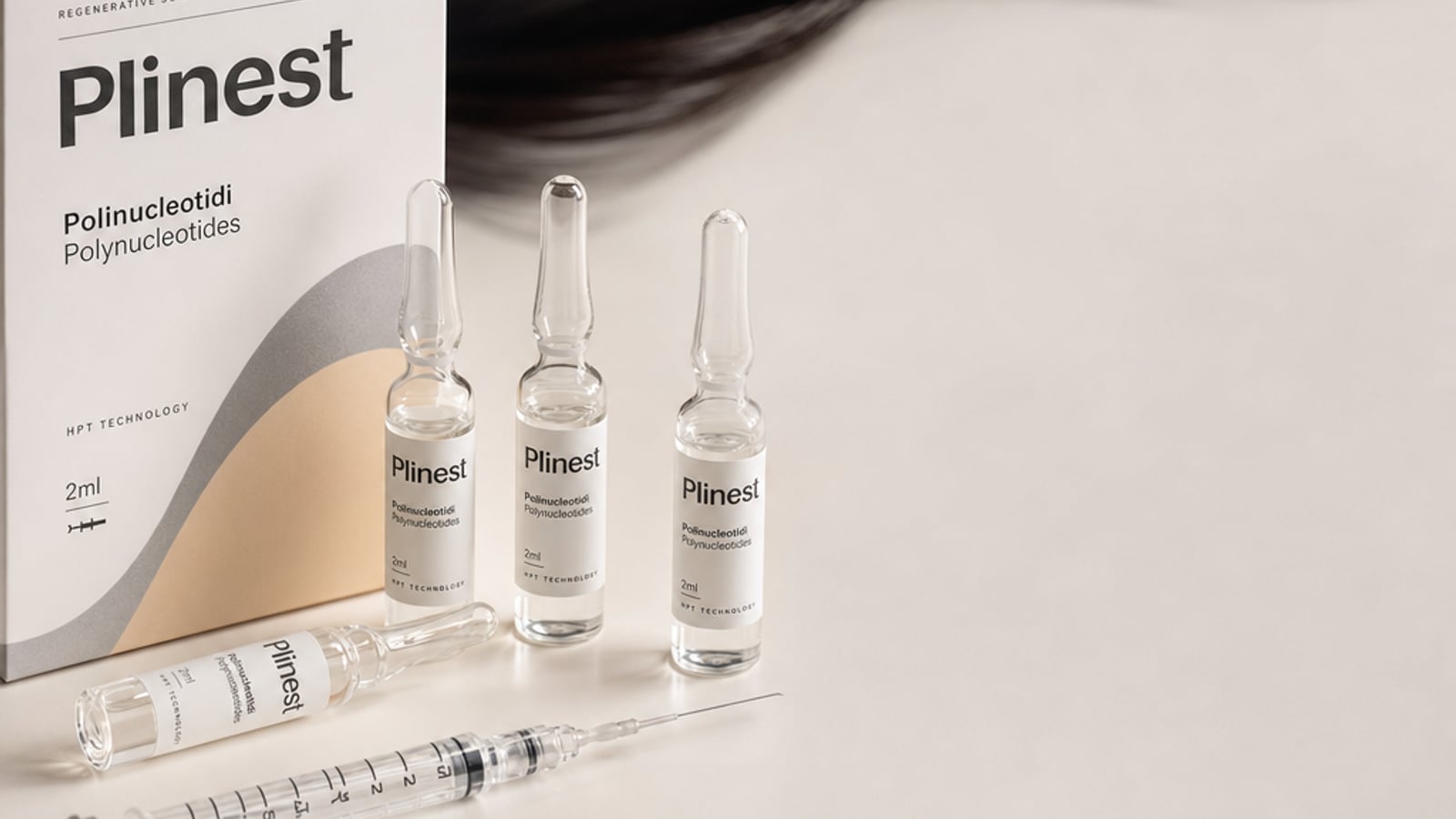
PRP — your own plasma with platelets and growth factors. PDRN — standardized fragments of salmon DNA. Different molecules, different mechanisms, and in trichology, they are more often combined than compared.
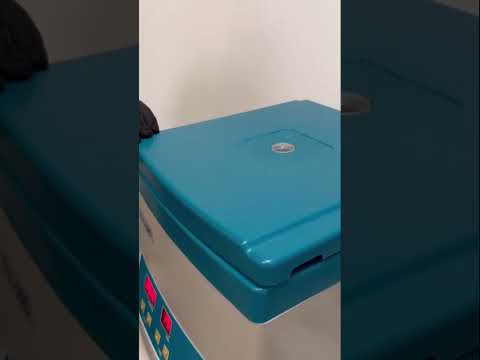
Procedure video
PRP for hairVideo page →Watch on YouTube ↗
Book a Treatment
Leave your contact details, and our specialist will contact you for a consultation and booking.
- ✅ Individual program selection
- ✅ Price clarification by areas
- ✅ Answers to all medical questions
By clicking 'Send', you consent to the processing of personal data in accordance with our privacy policy.
A brief comparison
ParamedPRP (Platelet-Rich Plasma, plasma lifting) is the injection of your own plasma enriched with platelets and growth factors. Blood is drawn from a vein and centrifuged to isolate plasma with a high concentration of platelets. PDRN (polynucleotides) are injections of standardized fragments of trout/salmon DNA. PRP is an autologous product, and its composition depends on the quality of your blood. PDRN is a factory-produced product with a fixed dosage. In trichology, both are used for androgenetic alopecia, diffuse hair loss, and to increase density, but through different mechanisms. PRP has a stronger concentration of platelet growth factors (PDGF, EGF, IGF-1). PDRN has a stronger anti-inflammatory and vascular effect through A2A receptors. They are often used together in one course. There are contraindications.
When to choose what
ParamedPRP is the first-line choice for early androgenetic alopecia, diffuse hair loss, and preparation for hair transplantation. It is also suitable as an affordable support course. PDRN is the choice for sensitive or inflamed scalp, for those refusing blood draws (fear of needles, poor veins), in cases of anemia, and during recovery after childbirth (after lactation is completed). In severe cases, the doctor often combines: 4 sessions of PRP + 2 sessions of PDRN, or alternates them over 3–6 months. If indicated, mesotherapy and/or exosomes are added.
Platelets vs DNA fragments
ParamedPRP is obtained from your blood: 10–20 ml of venous blood is centrifuged to isolate plasma with a platelet concentration 3–5 times higher than normal. Platelets release growth factors (PDGF, EGF, IGF-1, VEGF) that activate follicles. The concentration and quality depend on your blood parameters — hemoglobin, platelets, overall condition. PDRN is a factory product made from ultra-purified trout/salmon DNA. Long chains of nucleotides are broken down in the skin into fragments that bind to A2A receptors on fibroblasts and endothelium. This activates collagenogenesis, angiogenesis, and suppresses inflammation (TNF-α, IL-6). The dosage of PDRN is always the same — it does not depend on your blood.
- PRP: your plasma with platelets → growth factors (PDGF, IGF-1)
- PDRN: factory fragments of DNA → A2A receptors on fibroblasts
- PRP: autologous — composition depends on you
- PDRN: standardized — composition is fixed
- PRP: stronger in stimulating follicles
- PDRN: stronger in anti-inflammation and microcirculation
FAQ
Paramed? Which is more effective — PDRN or PRP? ⌄
It depends on the situation. With good hemoglobin and early alopecia, PRP provides a strong effect. With an inflamed scalp or anemia, PDRN works better. In clinical practice, they are often combined rather than choosing one.
? Does Paramed offer RegenLab PRP? ⌄
Yes. Alongside standard PRP there is a premium option — PRP prepared with Swiss RegenLab kits (Regen Lab SA). Blood is drawn in a closed system into RegenBCT glass vacuum tubes containing sodium citrate and a separator gel and centrifuged for 5 minutes at 1500 g — the gel mechanically separates the plasma from the red cells, giving standardised, leucocyte-reduced PRP. RegenLab PRP is priced at consultation; the doctor advises which option suits you.
? Can PRP and PDRN be done in one course? ⌄
Yes, this is standard practice. Usually alternating: one session of PRP, the next — PDRN, with an interval of 2–3 weeks. Or first 2 sessions of PRP, then 2 sessions of PDRN.
? Which is cheaper? ⌄
PRP — 60–80 AZN per session, significantly cheaper. PDRN — 300–400 AZN. The difference of 4–5 times reflects the difference in technology: PDRN is a factory product, PRP is made from your blood in 15 minutes.
? What is better after childbirth? ⌄
PDRN is usually better after childbirth. It does not require blood draws (which can be uncomfortable in cases of possible anemia), and is safer during overall recovery. But not during lactation — typically after it is completed.
? How long until results are visible? ⌄
Reduction in hair loss with both PRP and PDRN is usually seen after 1–2 sessions. Thickening and visible hair growth occurs 2–3 months after the course is completed.
? Do they replace minoxidil/finasteride for androgenetic alopecia? ⌄
No. Both PRP and PDRN are adjunct therapies that enhance the density and quality of existing hair. In cases of pronounced androgenetic alopecia, they are combined with medication therapy.
Booking
ParamedSchedule a trichoscopy at Paramed — a trichologist will assess the condition of your hair and select a program: PRP, PDRN, or their combination with mesotherapy and exosomes.
PDRN and PRP — pros and cons
Paramed- Autologous product — low risk of allergy
- Strong concentration of growth factors (especially with good blood)
- Affordable price — 60–80 AZN per session
- Extensive clinical experience in trichology
- Works well for early androgenetic alopecia
- Effectiveness depends on the quality of your blood
- Requires blood draw — not comfortable for everyone
- Dosage is not standardized
- May be uncomfortable with low hemoglobin
- Weaker anti-inflammatory effect
- Standardized dosage — each session is the same
- Strong anti-inflammatory effect
- Improves microcirculation around follicles
- No blood draw — convenient after childbirth, in cases of anemia
- Good for sensitive/inflamed scalp
- More expensive than PRP — 300–400 AZN per session
- Contraindicated in severe fish allergies
- Less clinical experience specifically in trichology
- Sometimes requires combination with PRP for maximum effect
Polynucleotides (PDRN / PRDN)
ParamedOur doctors
Certified specialists at Paramed
Simona Muradova
Cosmetologist (MD)
2019 · Yaroslavl Medical University · +1 cert.
Languages: Russian, Azerbaijani
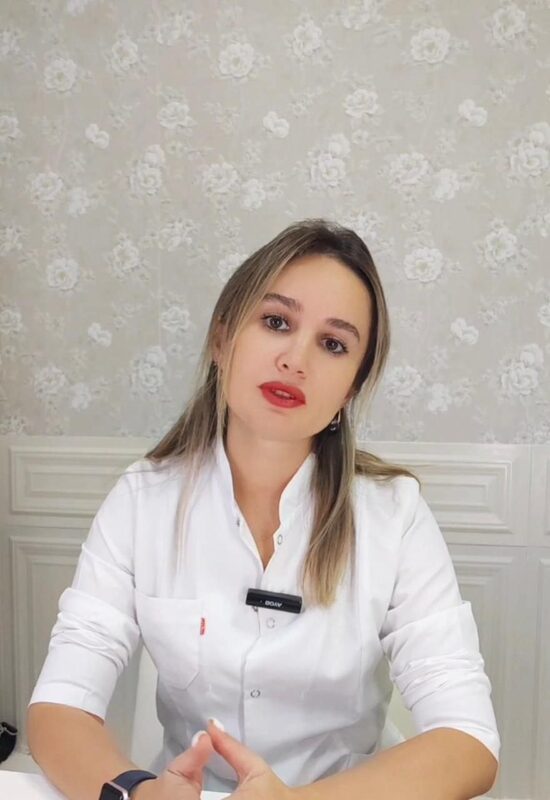
Elvira Zakiyeva
Cosmetologist (MD)
15+ years' experience
2008 · Azerbaijan Medical University · +1 cert.
Languages: Russian, Azerbaijani
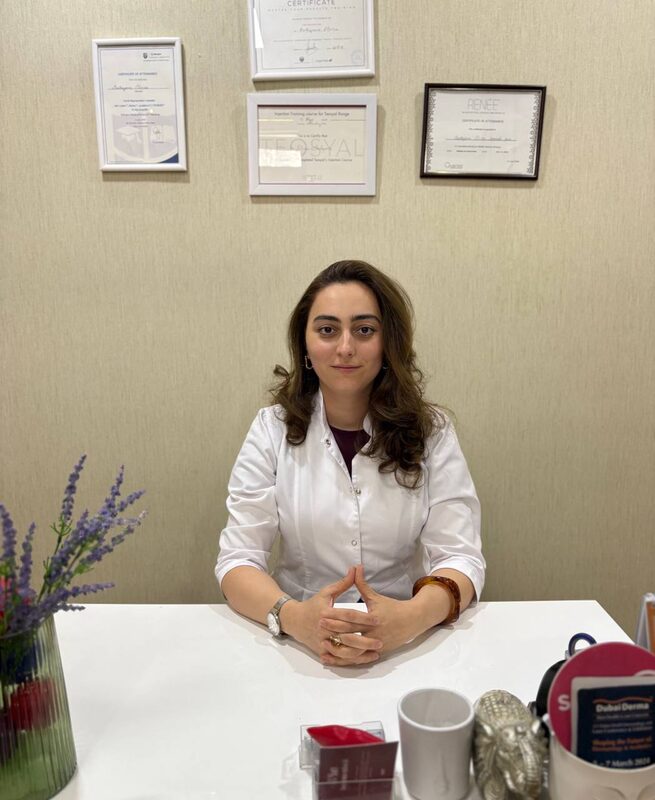
Elmira Jamalova
Cosmetologist (MD)
2009 · Tashkent Medical Academy · +2 cert.
Languages: Russian, Azerbaijani