Laser hair removal vs IPL (photo epilation): what's better and what's the difference
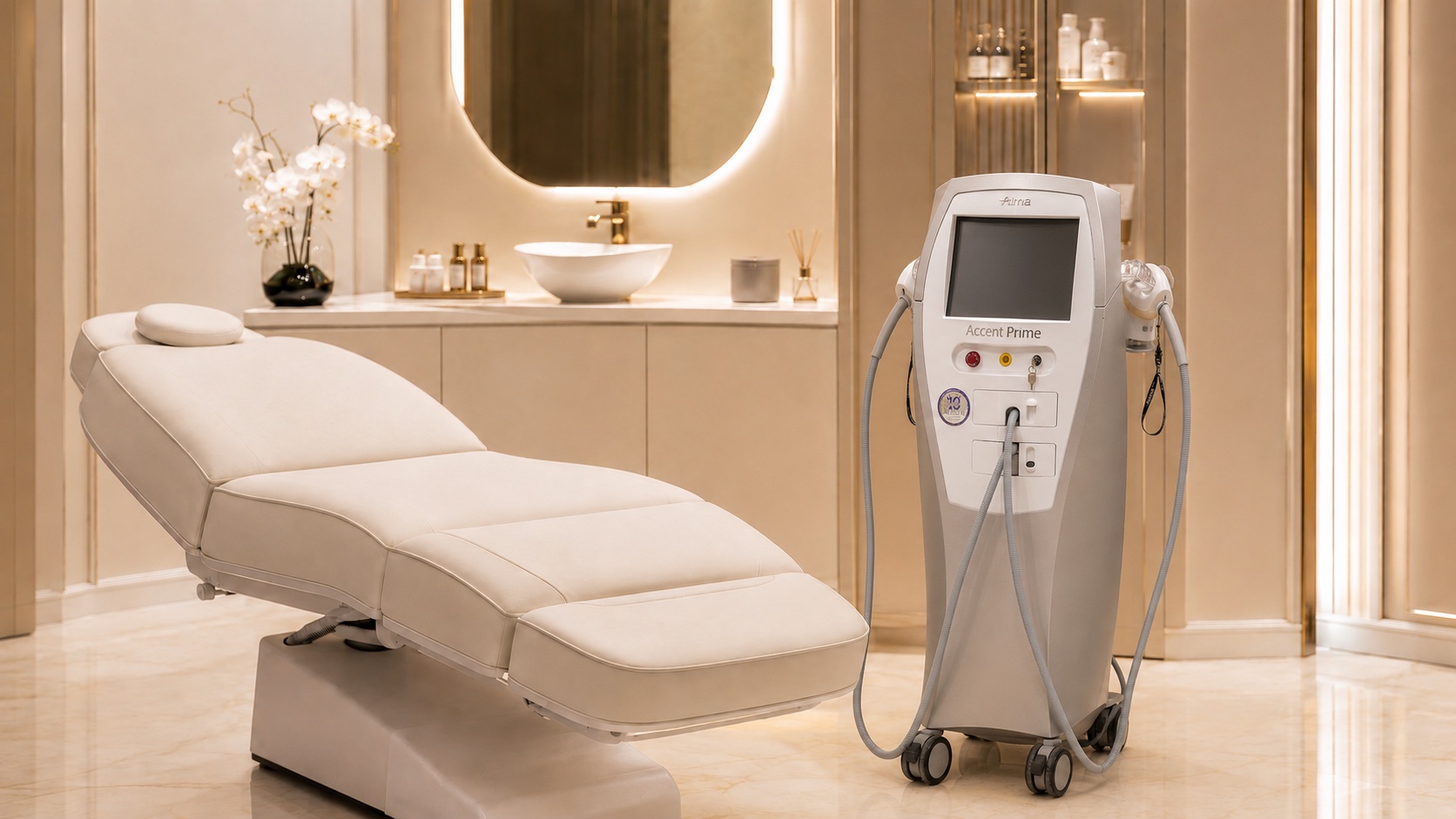
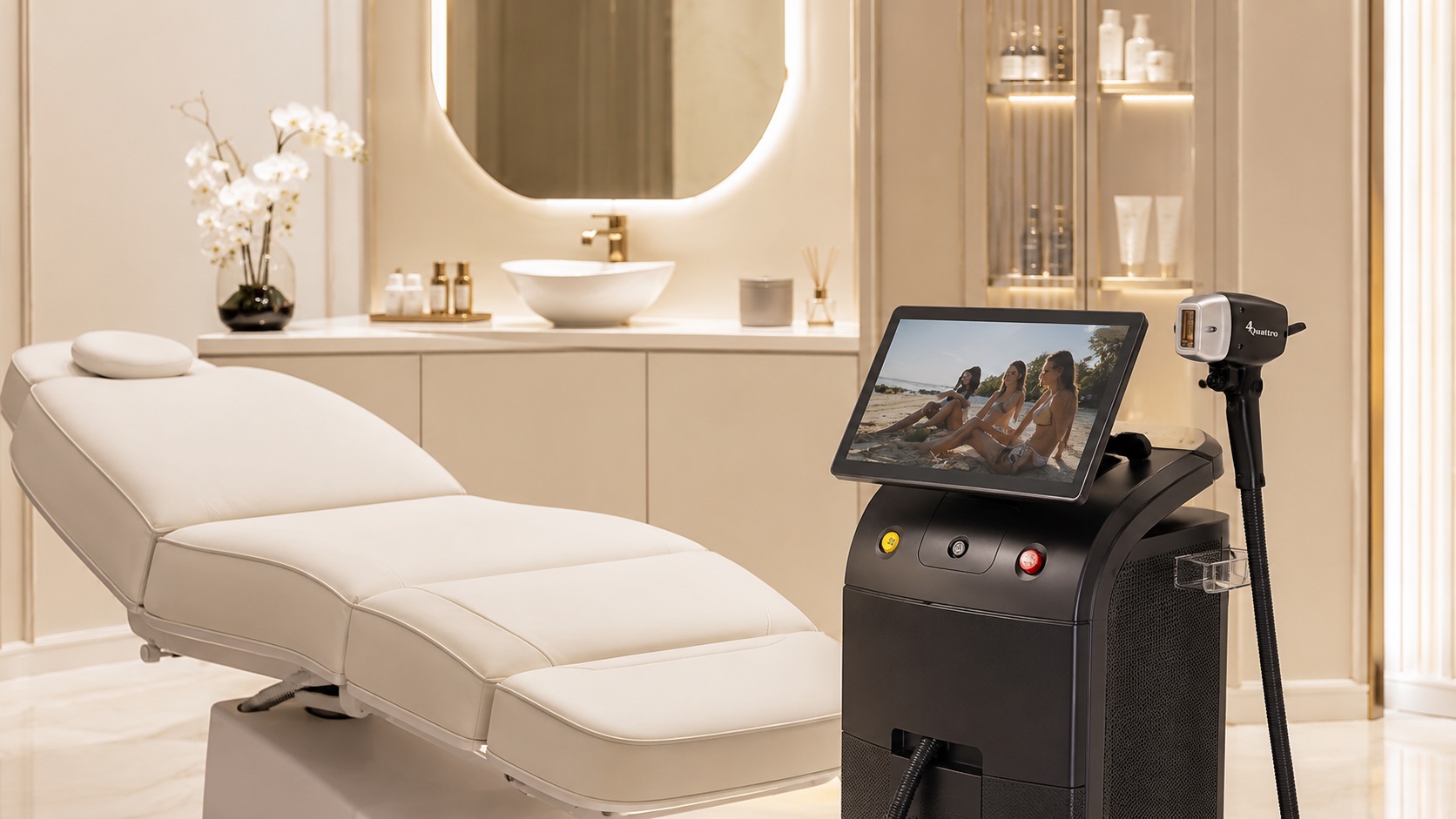
Laser and IPL are often confused, but they're different technologies. Laser uses one wavelength and "tunes in" precisely to hair. IPL is broad-spectrum filtered light — like a flash. At Paramed we run Soprano lasers — three wavelengths (755 + 810 + 1064 nm) in one impulse.
Procedure video
Soprano Titanium laser hair removalWatch on YouTube ↗
Book a Treatment
Leave your contact details, and our specialist will contact you for a consultation and booking.
- ✅ Individual program selection
- ✅ Price clarification by areas
- ✅ Answers to all medical questions
By clicking 'Send', you consent to the processing of personal data in accordance with our privacy policy.
The essentials in brief
ParamedLaser hair removal and IPL (Intense Pulsed Light, casually "photo epilation") share the same biological principle — selective photothermolysis of hair melanin. But the physics and effectiveness differ. Laser is a single specific wavelength (e.g. 755 nm alexandrite). IPL is broad-spectrum light (e.g. 500–1200 nm) filtered to a range. IPL wins on session price and speed, but per-session efficiency is lower, the course is longer, and it works worse on fine, light or gray hair. At Paramed we run Soprano lasers. Contraindications apply.
Laser hair removal — women
Paramed- ICE / Platinum 79 AZN
- Titanium 95 AZN
- ICE / Platinum 95 AZN
- Titanium 110 AZN
- Price 18 AZN
- Range 12–18 AZN
- ICE / Platinum 49 AZN
- Titanium 54 AZN
- ICE / Platinum 49 AZN
- Titanium 54 AZN
- ICE / Platinum 20 AZN
- Titanium 25 AZN
- ICE / Platinum 20 AZN
- Titanium 25 AZN
- ICE / Platinum 54 AZN
- Titanium 59 AZN
- ICE / Platinum 35 AZN
- Titanium 40 AZN
- ICE / Platinum 20 AZN
- Titanium 25 AZN
- ICE / Platinum 20 AZN
- Titanium 25 AZN
- ICE / Platinum 20 AZN
- Titanium 25 AZN
- ArmpitsFor packages: +5 AZN5 AZN
Original Soprano platforms (Alma Lasers)
Paramed uses original Soprano ICE, Platinum and Titanium platforms by Alma Lasers (Israel), with original handpieces and safety-first protocols.
When laser is better, when IPL makes sense
Paramed- ✅ Laser: goal is stable long-term hair reduction (5–8 session course)
- ✅ Laser: fine, light or gray hair (IPL may not cope)
- ✅ Laser: dark skin (IV–VI phototype) — needs Nd:YAG
- ✅ Laser: mixed areas and hair types (triple wavelength)
- ✅ IPL: small per-session budget with understanding of a longer course
- ✅ IPL: home devices as maintenance between clinic sessions
How we pick the technology at consultation
ParamedThe doctor assesses phototype, hair type and density, skin sensitivity. The optimal Soprano platform (ICE, Platinum or Titanium) is matched accordingly. If you tried IPL without results (especially on fine hair or face) — laser typically delivers better outcomes thanks to precise wavelength.
Physics: how laser differs from IPL
ParamedLaser is monochromatic and coherent light at a single wavelength. The energy is precisely "tuned" to hair pigment. Alexandrite 755 nm is best absorbed by fine/light hair, diode 810 nm is versatile, Nd:YAG 1064 nm is safer on dark skin. On Soprano Titanium all three wavelengths fire in one impulse. IPL is broad-spectrum (broad-band) light passed through a filter. The spectrum is smeared: some light misses hair melanin and is absorbed by skin or scattered. Two consequences: 1) lower per-session efficiency — typically 8–12 IPL sessions vs 5–8 laser sessions, 2) higher burn risk on dark skin due to scattered heating of the epidermis.
- Laser = one precise wavelength (e.g. 755 nm)
- IPL = broad-band light (500–1200 nm) through a filter
- Laser: 5–8 sessions; IPL: 8–12 sessions
- Laser "hits" hair more precisely, IPL scatters more
- On dark skin Nd:YAG laser is safer than IPL
How many sessions are needed
ParamedLaser hair removal: typically 5–8 sessions at 4–6 week intervals. IPL: typically 8–12 sessions at the same intervals. Real count depends on hair type, phototype and hormonal background.
Laser vs IPL — detailed
Paramed- High per-session effectiveness
- Fewer sessions per course (5–8 vs 8–12 for IPL)
- Better on fine, light, red hair
- Safer on dark phototypes (Nd:YAG)
- Stable long-term results
- Higher per-session cost
- Devices more expensive — fewer clinics with modern lasers
- More intense sensation on coarse dark hair
- Lower per-session cost
- More widely available in salons
- Home devices exist for maintenance
- Works well on dark hair + light skin
- More sessions needed (8–12+)
- Worse on fine, light, gray hair
- Higher burn risk on dark skin
- Effect may be less durable
- Some light "misses" the hair
Contraindications (shared)
Paramed- ⚠️ Pregnancy and breastfeeding
- ⚠️ Active tan
- ⚠️ Oncological conditions
- ⚠️ Skin inflammation or infections in the area
- ⚠️ Uncontrolled diabetes
- ⚠️ Photosensitizing medications
- ⚠️ Fresh tattoos in the area
FAQ
Paramed? Laser or IPL — which is better in the end? ⌄
Per session, laser outperforms IPL: fewer sessions per course, better on fine/light hair, safer on dark skin (thanks to Nd:YAG). IPL is cheaper per session but more expensive per course and less predictable.
? Can laser and IPL be combined? ⌄
Rarely makes sense in practice — pick one and complete a full course. Home IPL can be used as maintenance after a clinical course.
? Do you have IPL at the clinic? ⌄
For hair removal we run Soprano lasers. The IPL handpiece Dye-VL on Harmony XL Pro is here, but it's used for vascular and pigment tasks, not hair removal.
? Does home IPL work? ⌄
Home IPLs can deliver visible but temporary results on the optimal hair type (dark hair + light skin). For stable long-term results, clinical laser is more effective.
? Why is laser more expensive per session? ⌄
Laser devices (especially three-wavelength ones like Soprano) cost more to acquire and service. Per course the difference often evens out — laser needs fewer sessions.
? If I have dark skin, what should I choose? ⌄
On dark skin (phototype IV–VI) Nd:YAG 1064 nm laser is markedly safer than IPL. IPL's scattered light is partially absorbed by skin melanin — higher hyperpigmentation and burn risk.
? Can I have both procedures in the same area? ⌄
Not on the same day. Standard interval (4–6 weeks) must pass between laser and IPL sessions, and usually it's easier to commit to one technology.
Why we run lasers at Paramed
Paramed- 📍 4 Soprano platforms: ICE Alexandrite, ICE Diode, Platinum, Titanium
- 📍 Three wavelengths (755 + 810 + 1064 nm) in one impulse on Titanium
- 📍 ICE contact cooling and In-Motion — comfort + efficiency
- 📍 5–8 session course with stable results
- 📍 Test zone 3 AZN — try before starting
Try laser on a 3 AZN test zone
ParamedIf you've been considering IPL — book a test zone. 3 AZN is the most honest way to compare sensation and skin reaction on a real laser.
Book a 3 AZN test zone →Our doctors
Certified specialists at Paramed
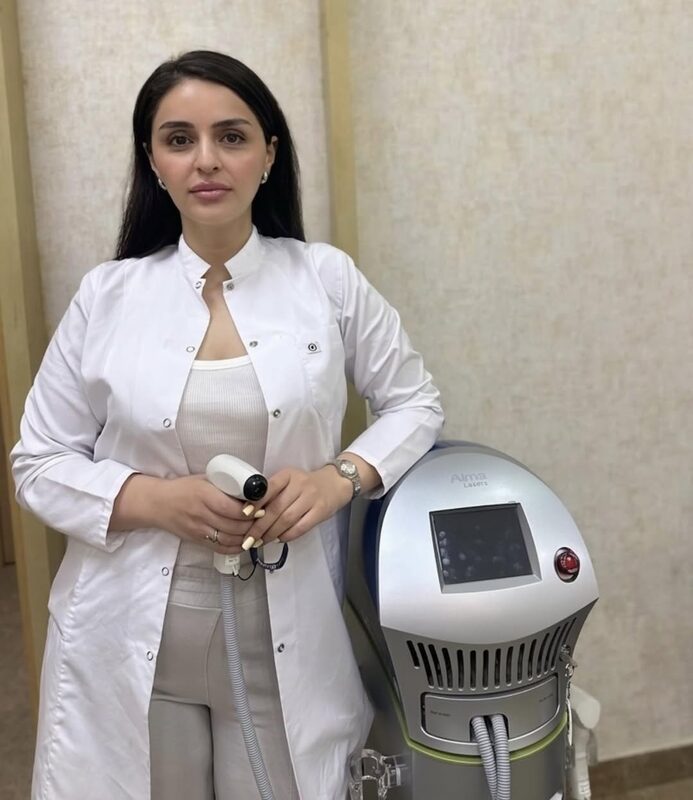
Aybeniz Mammedli
Dermatologist (MD)
2017 · Donetsk National Medical University · +1 cert.
Languages: Russian, Azerbaijani
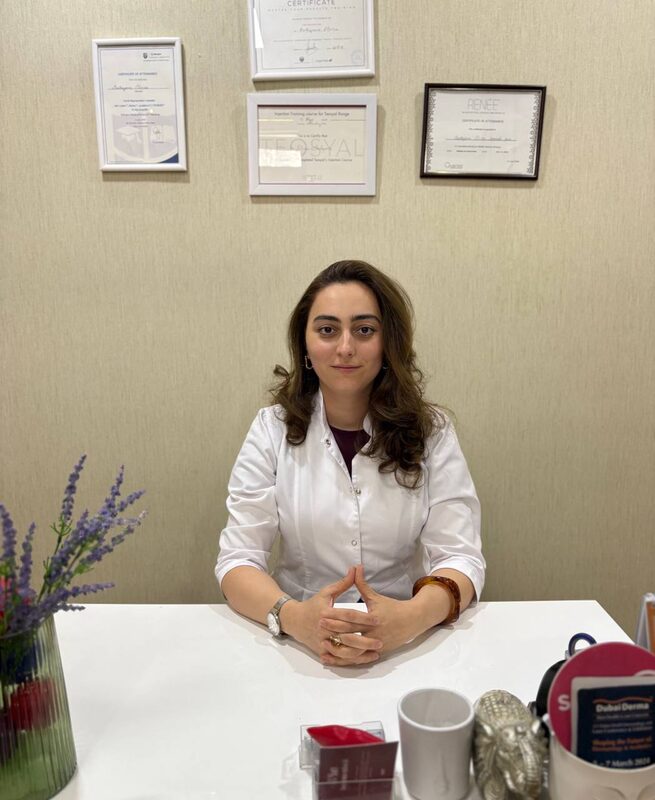
Elmira Jamalova
Cosmetologist (MD)
2009 · Tashkent Medical Academy · +2 cert.
Languages: Russian, Azerbaijani
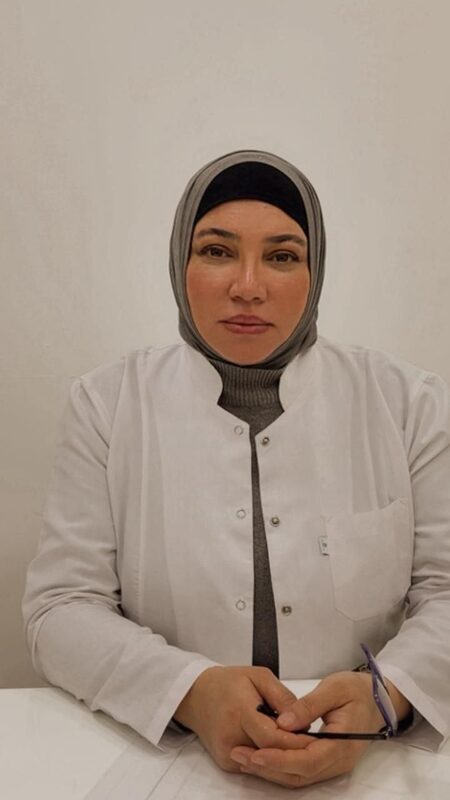
Rena Nasibova
Cosmetologist (MD)
25+ years' experience
1999 · Azerbaijan Medical University · +1 cert.
Languages: Russian, Azerbaijani