Foot hyperkeratosis & calluses treatment in Baku
Book a Treatment
Leave your contact details, and our specialist will contact you for a consultation and booking.
- ✅ Individual program selection
- ✅ Price clarification by areas
- ✅ Answers to all medical questions
By clicking 'Send', you consent to the processing of personal data in accordance with our privacy policy.
Overview
ParamedHyperkeratosis is a thickening of the skin on the soles and heels — rough, dry patches and calluses that can crack and hurt. A podologist removes the hardened layer with apparatus and sterile burrs and smooths the skin; regular care keeps it soft. Contraindications apply.
Benefits
Paramed- ✅ Soft, smooth skin on soles and heels
- ✅ Relief from rough, painful areas
- ✅ Prevention of heel cracks
- ✅ Comfortable for sensitive/diabetic feet
How it goes
ParamedThe podologist assesses the skin, grinds down the hyperkeratosis with sterile burrs, then smooths and treats the surface. Painless, about 40 minutes.
How it works
ParamedThe hardened skin is ground down with sterile burrs, the surface is smoothed and moisturising/keratolytic care is applied. The dry, no-blade technique is safe for sensitive and diabetic feet.
- Apparatus removal of hardened skin
- Sterile burrs, dry technique
- Smoothing and moisturising care
- Safe for diabetic feet
- Prevents painful cracks
Preparation & aftercare
Paramed- Have a podologist consultation before the procedure.
- Keep feet clean; wear comfortable shoes on the day.
- Remove nail polish in advance.
- Tell the specialist about diabetes, allergies or active infection.
- Keep the feet clean and dry.
- Follow the specialist's home-care advice.
- Avoid tight footwear and long soaking.
- Use recommended creams/antiseptics as advised.
- Keep to the maintenance schedule.
FAQ
Paramed? Why does hyperkeratosis form? ⌄
From pressure, friction, dry skin and footwear; sometimes it relates to gait or health conditions.
? Is it painful? ⌄
No, removal is painless; rough, cracked areas usually feel better right away.
? How often? ⌄
Every 4–8 weeks for maintenance, depending on how fast the skin thickens.
? Can it crack again? ⌄
With regular care and moisturising, cracks are much less likely.
Book a visit
ParamedBook hyperkeratosis treatment — we'll remove the hardened skin and keep your feet soft.
Book a visit →Podology
Paramed- 1 toe 35 AZN
- All toes 100 AZN
Course plan
ParamedThe treatment typically involves a series of sessions spaced every 4 to 8 weeks, depending on the individual's skin condition and response to treatment. A podologist will assess the progress and adjust the plan as necessary.
Contraindications
Paramed- ⚠️ Active infections
- ⚠️ Severe diabetes
- ⚠️ Allergies to treatment materials
- ⚠️ Open wounds or skin lesions
- ⚠️ Certain skin conditions
Comparison
ParamedUnlike traditional methods that may involve painful cutting or scraping, our podology apparatus uses a gentle, no-blade technique that is safe for sensitive skin and diabetic patients. This method minimizes discomfort and promotes quicker healing.
Why Paramed
ParamedOur doctors
Certified specialists at Paramed

Aybeniz Mamedli
Dermatologist (MD)
2017 · Donetsk National Medical University · +1 cert.
Languages: Russian, Azerbaijani
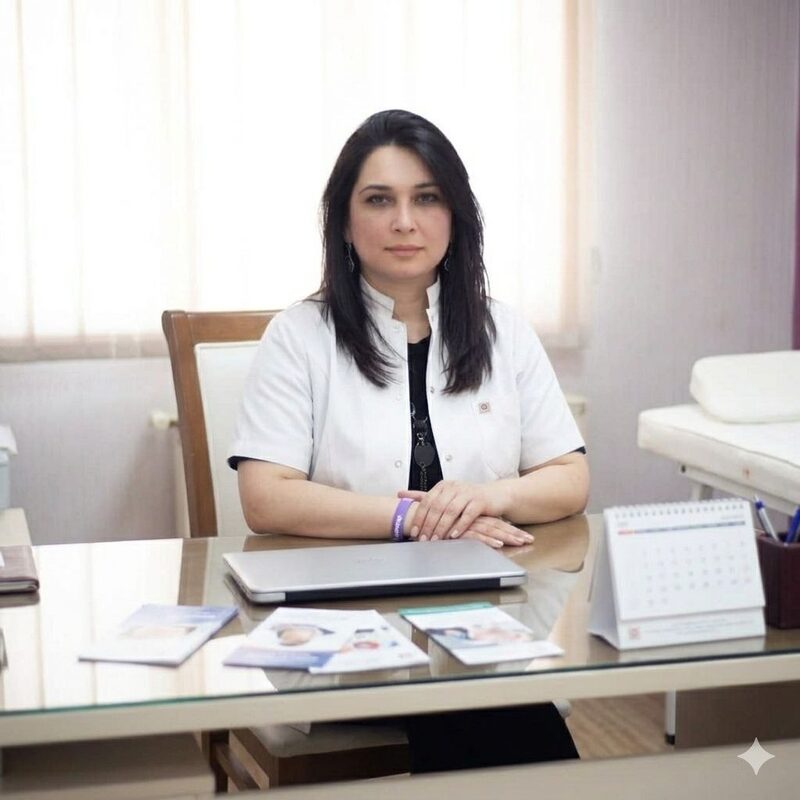
Afa Mammadova
Cosmetologist (MD)
27+ years' experience
1997 · Azerbaijan Medical University · +1 cert.
Languages: Russian, Azerbaijani
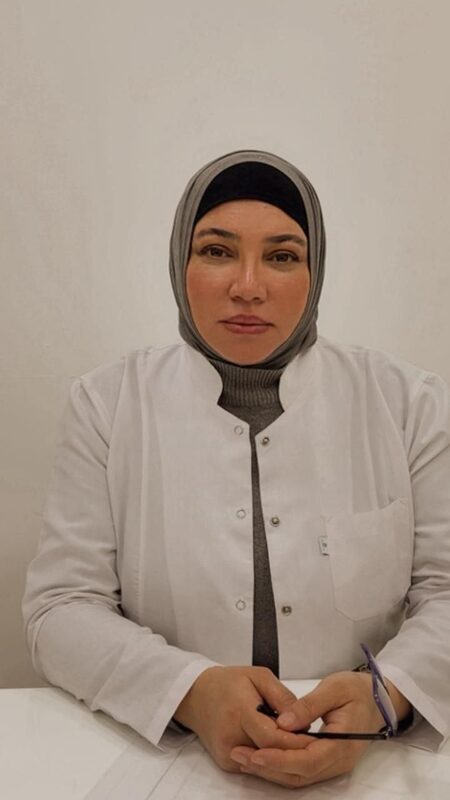
Rena Nasibova
Cosmetologist (MD)
25+ years' experience
1999 · Azerbaijan Medical University · +1 cert.
Languages: Russian, Azerbaijani