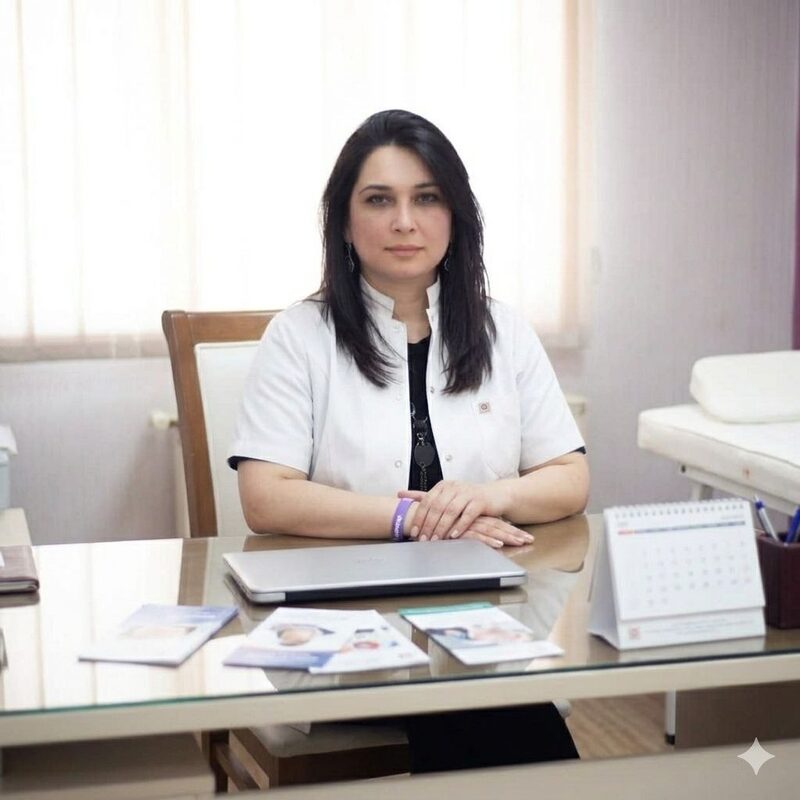
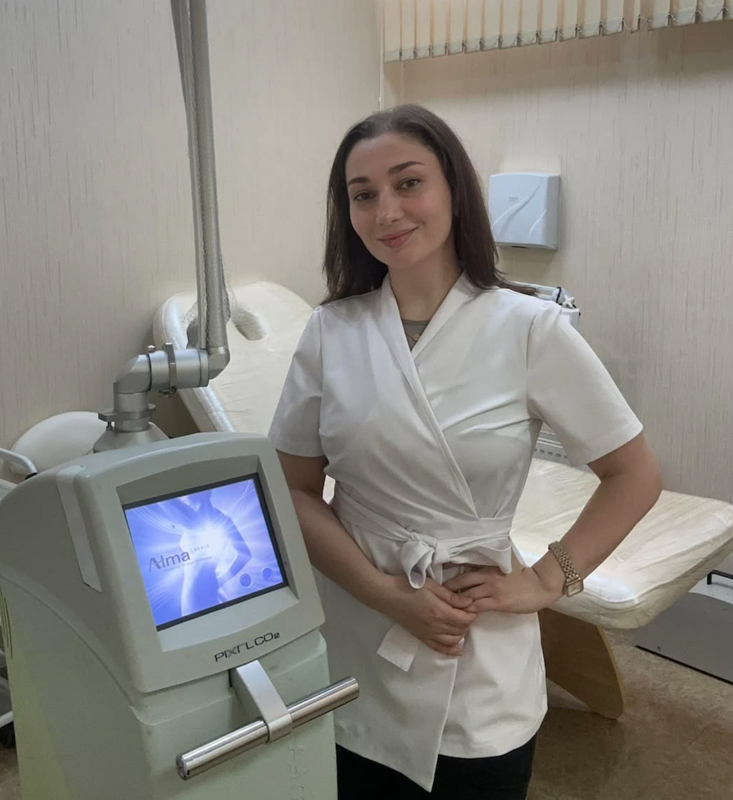
Afa Mammadova
Cosmetologist (MD)
27+ years' experience
1997 · Azerbaijan Medical University · +1 cert.
Languages: Russian, Azerbaijani
Leave your contact details, and our specialist will contact you for a consultation and booking.
By clicking 'Send', you consent to the processing of personal data in accordance with our privacy policy.
Postpartum hair loss (telogen effluvium) is a natural response of the body to a sharp decrease in estrogen levels after childbirth. It usually begins 2–4 months postpartum and can last for 6–12 months. Most hair regrows on its own, but some women experience a slow return of density, especially in cases of iron, ferritin, vitamin D deficiency, and stress. Exosomes are a delicate and effective way to accelerate recovery: they transition follicles from the resting phase back to active growth and reduce the shedding period. At Paramed clinic, the program is tailored considering the lactation period and test results.
Before starting the course, it is recommended to check ferritin, iron, vitamin D, and TSH — deficiencies exacerbate shedding, and correcting them alongside exosomes yields better results. The trichologist conducts trichoscopy, assesses density and the proportion of telogen hairs. The course typically consists of 3–4 exosome procedures with intervals of 2–3 weeks. The procedure is safe, does not affect hormonal balance, and is applied after the completion of breastfeeding (or with written permission from the supervising doctor).
During postpartum hair loss, a large cohort of follicles synchronously enters the telogen (resting) phase and simultaneously 'shed' hair after 2–4 months. Exosomes deliver signals (Wnt-3a, IGF-1, VEGF) that accelerate the exit of follicles from telogen to anagen — this shortens the 'bald' period and restores density more quickly. Unlike in cases of androgenetic alopecia, the follicles here are healthy, so the response to exosomes is usually more pronounced and predictable.
Ideally, 3–6 months postpartum, when shedding becomes noticeable. During breastfeeding, the procedure is possible with pediatrician approval: exosomes do not enter the systemic circulation in significant amounts, but the decision is always individual.
For most women — yes, within 6–12 months. Exosomes are needed if: shedding is intense, recovery is slow, there are deficiencies, there is a request to accelerate (for example, before an event) or to maintain self-confidence.
There are few direct studies, so most clinics (including Paramed) prefer to wait until breastfeeding is completed. However, with minimal pooling and informed consent, the decision is made jointly with the doctor.
Usually 3–4 sessions with intervals of 2–3 weeks. Results become noticeable 6–8 weeks after starting.
Highly recommended: ferritin, serum iron, vitamin D, TSH. Iron/ferritin deficiency is a common reason why hair 'does not return', and it can be easily corrected alongside the course.
Sign up for trichoscopy and consultation at Paramed clinic — we will assess the condition of your hair, recommend tests, and tailor a delicate recovery course after childbirth.
The exosome treatment course for hair typically includes 3–4 procedures with intervals of 2–3 weeks. This allows for optimal results and ensures the restoration of hair density.
Exosomes for hair are a more delicate and effective method compared to traditional procedures such as mesotherapy or PRP. Unlike them, exosomes promote faster recovery of follicles and shorten the hair shedding period without affecting hormonal balance.
Paramed clinic in Baku offers high-quality hair restoration services using exosomes. Our specialists have extensive experience in trichology and use only proven and effective preparations. We conduct individual consultations and tailor the optimal treatment course for each patient.
Certified specialists at Paramed
Cosmetologist (MD)
27+ years' experience
1997 · Azerbaijan Medical University · +1 cert.
Languages: Russian, Azerbaijani
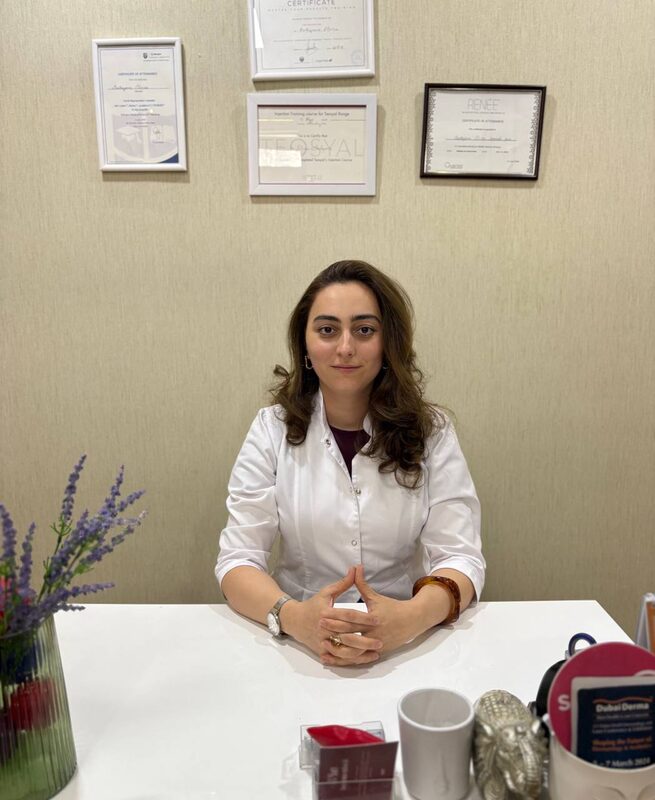
Cosmetologist (MD)
2009 · Tashkent Medical Academy · +2 cert.
Languages: Russian, Azerbaijani
Cosmetologist (MD)
2019 · Yaroslavl Medical University · +1 cert.
Languages: Russian, Azerbaijani