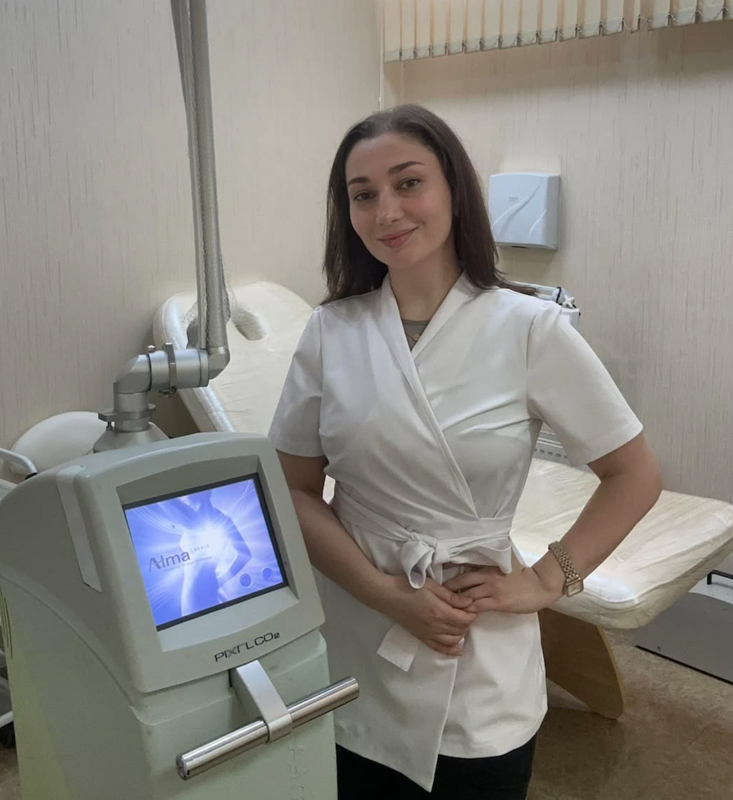
Simona Muradova
Cosmetologist (MD)
2019 · Yaroslavl Medical University · +1 cert.
Languages: Russian, Azerbaijani

Leave your contact details, and our specialist will contact you for a consultation and booking.
By clicking 'Send', you consent to the processing of personal data in accordance with our privacy policy.
Androgenetic alopecia is the most common form of hair loss in men (receding hairlines, thinning at the crown) and women (diffuse thinning in the central area). The cause is the sensitivity of hair follicles to dihydrotestosterone (DHT), which gradually depletes them and shortens the growth phase. Exosomes are one of the most promising directions in the treatment of androgenetic alopecia: the signals contained in them activate the Wnt/β-catenin pathway and transition miniaturized follicles back into the anagen phase. At the Paramed clinic in Baku, the program is tailored after trichoscopy and is usually combined with medication support (minoxidil, and finasteride if indicated).
The course begins with trichoscopy — assessing density, hair diameter, and areas of miniaturization. Based on the results, a protocol is chosen: 3–5 sessions of exosomes with intervals of 2–4 weeks, if necessary, with the addition of minoxidil and/or PRP. Each session involves targeted injections in the area of hair loss (crown area, frontal-temporal zone, temples), lasting 30–45 minutes. Control trichoscopy — in 3–4 months after the course ends.
The key mechanism in androgenetic alopecia is DHT-induced suppression of the Wnt/β-catenin pathway, which causes the follicle to prematurely enter the telogen phase and miniaturize. Exosomes from stem cells carry growth factors (Wnt-3a, VEGF, IGF-1) and microRNA that directly activate this pathway. Additionally, TGF-β1 is suppressed — a mediator responsible for the catagenic contraction of the follicle. Unlike systemic therapy (finasteride), exosomes act locally and do not have systemic side effects.
In early stages — for many patients, yes. In moderate and late stages, exosomes yield better results when combined with minoxidil and/or finasteride. The plan is formed after trichoscopy.
Exosomes are standardized in terms of growth factor dosage and contain microRNA that PRP does not carry. The effect on miniaturized follicles is usually more pronounced, but the cost is higher. PRP remains a good choice for those on a limited budget.
Yes, this is the recommended scheme for moderate AGA in men. Finasteride reduces DHT systemically, while exosomes locally activate weakened follicles — the mechanisms complement each other.
Reduction in hair loss — within 4–6 weeks. Visible thickening and new hair growth — within 3–4 months after the course ends.
Yes, in the female variant of AGA (thinning according to Ludwig), exosomes show good results, especially in stages 1–2. They are often combined with 2–5% minoxidil.
Schedule a trichoscopy at the Paramed clinic in Baku — we will assess the stage of alopecia and select a program with exosomes and supportive therapy.
The exosome treatment course includes 3–5 sessions with intervals of 2–4 weeks. Each session consists of targeted injections in the areas of hair loss.
Contraindications for the procedure may include: - Acute infectious diseases of the scalp - Allergy to the components of the preparation - Pregnancy and lactation - Chronic diseases in the acute phase
Exosomes for hair differ from traditional methods such as PRP in that they contain standardized doses of growth factors and microRNA, making them more effective on miniaturized follicles. While PRP is a good option for patients on a limited budget, exosomes provide a more targeted effect.
The Paramed clinic in Baku offers experienced specialists and modern equipment for exosome procedures. We guarantee an individual approach and high-quality service, starting from the consultation and ending with result monitoring.
Certified specialists at Paramed
Cosmetologist (MD)
2019 · Yaroslavl Medical University · +1 cert.
Languages: Russian, Azerbaijani
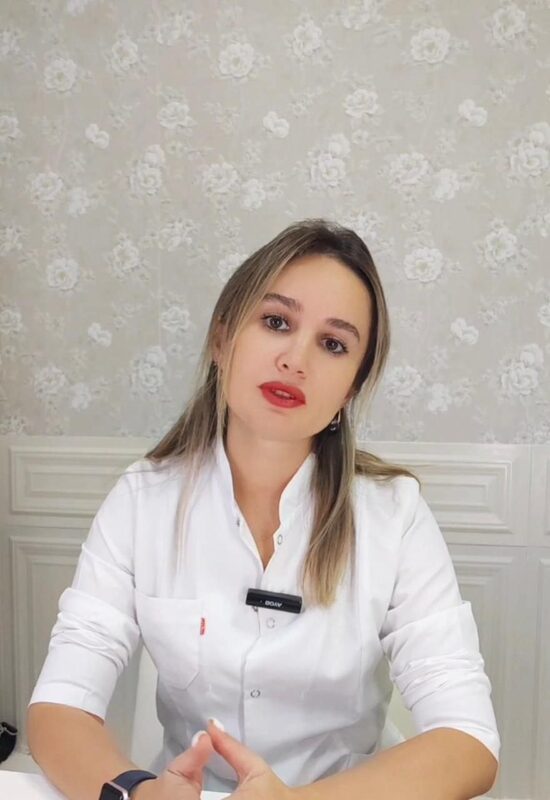
Cosmetologist (MD)
15+ years' experience
2008 · Azerbaijan Medical University · +1 cert.
Languages: Russian, Azerbaijani
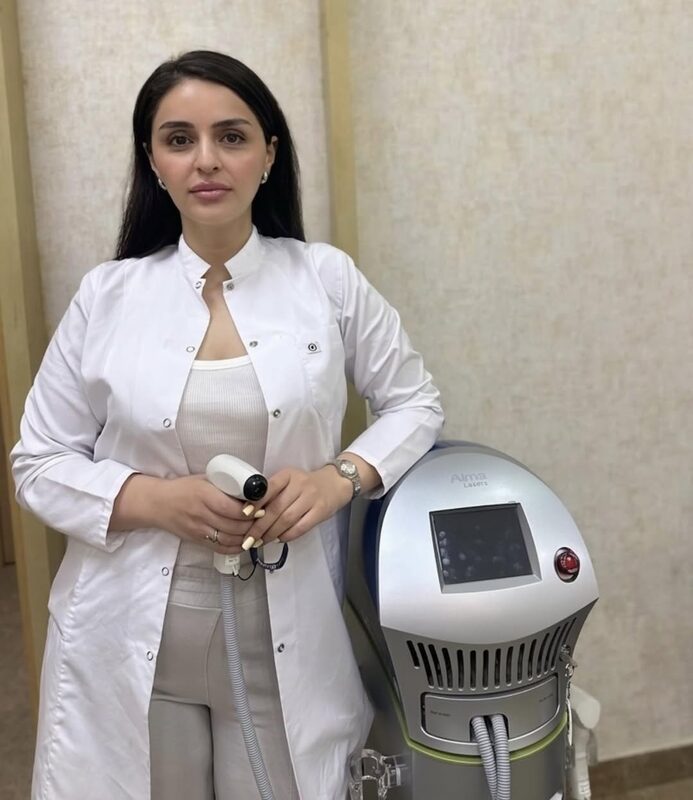
Dermatologist (MD)
2017 · Donetsk National Medical University · +1 cert.
Languages: Russian, Azerbaijani